
Harishyam Arts Blog
The Eight Avatars of Ganesha: Symbolism, Stories & Significance
By Lakshay Sharma | On 22 May, 2025 | Views
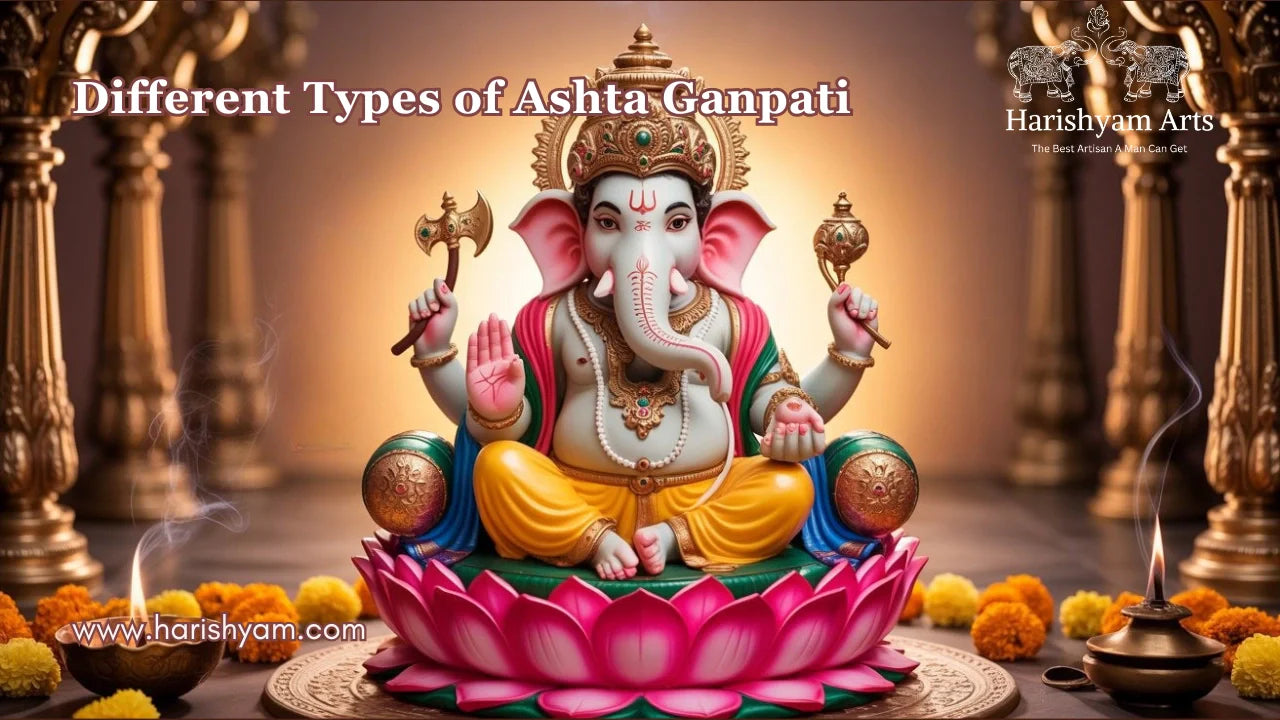
Lord Ganesha, the elephant-headed deity, is one of the most revered gods in Hinduism. Known as the remover of obstacles, the god of wisdom, and the lord of beginnings, Ganesha holds a unique place in every Hindu ritual. While most people recognize his single iconic form, scriptures describe him taking on multiple manifestations to defeat negative forces. These are known as the Eight Avatars of Ganesha or Ashta Vinayaka.
In this blog, we’ll explore the fascinating stories behind these eight forms, their spiritual significance, and how they inspire devotees across the globe.
The Origin of the Ashta Ganesha
The Eight Avatars of Ganesha, also known as Ashta Ganesha or Ashta Vinayaka, have their origins in ancient Hindu scriptures, especially the Mudgala Purana. This sacred text is dedicated entirely to Lord Ganesha and describes his divine manifestations and the roles they play in the cosmic order.
According to legend, Lord Ganesha took on eight distinct forms to defeat eight powerful demons. Each demon represented a negative human quality or vice, such as jealousy, arrogance, greed, and ego. By overcoming these demons, Ganesha symbolized the victory of wisdom and righteousness over ignorance and vice.
Each avatar or form of Ganesha has unique attributes, iconography, and spiritual significance. Together, these eight forms represent a complete guide for devotees to conquer their inner weaknesses and progress on their spiritual path.
The worship of Ashta Ganesha emphasizes not only devotion to Lord Ganesha but also self-improvement and the removal of obstacles in life. The eight avatars teach important life lessons, encouraging people to cultivate virtues like humility, patience, generosity, and self-control.
The tradition of Ashta Vinayaka is especially popular in Maharashtra, where eight sacred temples, each dedicated to one form of Ganesha, form a pilgrimage circuit. This spiritual journey helps devotees connect deeply with the divine energies embodied by each avatar.
The Eight Avatars of Ganesha
1.Vakratunda (The Curved Trunk Lord)
-
Demon Defeated: Matsarasura (Jealousy)
-
Symbolism: Victory over jealousy and envy
-
Iconography: Often depicted riding a lion
-
Life Lesson: Teaches us humility and the power to overcome pride and jealousy
-
Description: Vakratunda is the first and most symbolic form of Ganesha, representing the power to overcome arrogance and ego. The name means "the Lord with a curved trunk." He is the destroyer of vanity and pride and is often shown holding a curved trunk and a noose, signifying his power to restrain and guide. Vakratunda defeated the demon Matsarasura, the embodiment of jealousy, showing that spiritual power and humility can overcome the most stubborn emotions. Worshipping Vakratunda is believed to cleanse one's heart of ego and jealousy.
2.Ekadanta (The Single-Tusked Lord)
-
Demon Defeated: Madasura (Arrogance)
-
Symbolism: Humility and letting go of pride
-
Life Lesson: symbolizes sacrifice, reminding us that wisdom often comes through personal sacrifices and learning from our experiences.
-
Description: Ekadanta, meaning "One Toothed," represents sacrifice and wisdom gained through experience. His broken tusk symbolizes the ability to overcome sacrifice and suffering for a higher purpose, often associated with writing the Mahabharata with his own tusk. Ekadanta destroyed the demon Madasura, the personification of arrogance and intoxication. This form teaches that with self-control and spiritual resolve, one can overcome delusions and excessive desires.
3.Mahodara (The Great-Bellied Lord)
-
Demon Defeated: Mohasura (Delusion)
-
Symbolism: Control over material attachments
-
Life Lesson: Represents contentment and balance, encouraging us to absorb life’s ups and downs with grace and patience.
-
Description: Mahodara, or “Big-Bellied,” symbolizes the ability to digest both the good and bad in life, promoting balance and contentment. This avatar is deeply connected to introspection and restraint. Mahodara is considered an amalgamation of Vakratunda and Ekadanta and is known to have subdued the demon Mohasura—representing delusion and attachment. His large belly signifies the ability to absorb and transform negative energies, encouraging detachment from worldly illusions.
4.Gajanana (The Elephant-Faced Lord)
-
Demon Defeated: Lobhasura (Greed)
-
Symbolism: Selflessness and generosity
-
Life Lesson: Emphasizes the importance of wisdom, strength, and controlling greed.
-
Description: Gajanana is the form that emphasizes wisdom, intelligence, and strength. As “Gaja” means elephant and “anana” means face, this form portrays the divine intellect and immense physical and spiritual strength of Ganesha. Gajanana defeated Lobhasura, the demon of greed. This avatar teaches devotees to control greed and adopt a path of righteousness and truth. The elephant face symbolizes the importance of thinking big, listening carefully, and acting with strength and grace.
5.Lambodara (The Pendant-Bellied Lord)
-
Demon Defeated: Krodhasura (Anger)
-
Symbolism: Peace and tolerance
-
Life Lesson: guides us to practice patience and maintain inner peace, despite anger or chaos around us.
-
Description: Lambodara signifies cosmic balance and control over desires. “Lamba” means elongated, and “udara” means belly, which symbolizes the whole universe held within. He subdued the demon Krodhasura, who embodied anger. Lambodara teaches the importance of patience and inner peace. His ability to hold the entire cosmos in his belly shows how a spiritually awakened being is unaffected by chaos and can control the most powerful emotions like rage and impatience.
6.Vikata (The Formidable Lord)
-
Demon Defeated: Kamasura (Desire)
-
Symbolism: Freedom from lust and uncontrolled passions
-
Life Lesson: Teaches courage and detachment, helping us face temptations and uncertainties without losing our spiritual focus.
-
Description: Vikata, meaning “difficult to understand” or “unusual form,” represents the unpredictable and transformative aspects of the universe. He is fierce yet benevolent, protecting devotees from danger and destroying evil. Vikata is said to have destroyed the demon Kama, representing lust and uncontrolled desires. This form of Ganesha emphasizes inner strength, detachment, and the courage needed to conquer sensual temptations and the cycle of craving.
7. Vighnaraja (The Lord of Obstacles)
-
Demon Defeated: Mamasura (Possessiveness)
-
Symbolism: Ruler of all challenges
-
Life Lesson: Reminds us that obstacles are temporary and can be removed through faith, perseverance, and devotion
-
Description: Vighnaraja is the supreme remover of obstacles and is revered as the king who controls both obstacles and their removal. He subdued Mamasura (also known as Vighnasura), the demon who created endless problems. This avatar establishes Ganesha as Vighnaharta—the remover of all impediments. Vighnaraja teaches that challenges are stepping stones and that faith and devotion can clear even the most difficult paths in life.
8. Dhoomravarna (The Smoke-Colored Lord)
-
Demon Defeated: Ahamkarasura (Ego)
-
Symbolism: Dissolution of ego and false identity
-
Life Lesson: Reminds us that obstacles are temporary and can be removed through faith, perseverance, and devotion
-
Description: Dhoomravarna is the most fearsome form of Ganesha, often depicted in a smoky or ash-gray complexion. He represents the destruction of ignorance and illusion (tamas). Dhoomravarna defeated Ahamkarasura, the demon of ego and self-importance. This form symbolizes the power to destroy false identities and bring about spiritual awakening. Though he appears intimidating, his role is that of transformation—burning away impurities like smoke rising from fire.
Importance of Worshiping the Ashta Vinayaka
The Ashta Vinayaka refers to the eight sacred forms of Lord Ganesha, each with a unique story, symbolism, and divine energy. Worshiping these eight avatars together is believed to bring comprehensive blessings—removing obstacles, fostering wisdom, and promoting spiritual growth. Each form represents different facets of life’s challenges and virtues, making Ashta Vinayaka worship a holistic approach to invoking divine guidance.
Devotees believe that praying to the Ashta Vinayaka strengthens not only material success but also emotional balance and spiritual wisdom. This worship helps to conquer negative traits such as ego, anger, greed, and delusion, transforming the devotee’s mind and heart toward purity and devotion.
Pilgrimage Significance: Ashta Vinayaka Temples in Maharashtra
The Ashta Vinayaka pilgrimage is one of the most revered spiritual journeys in Maharashtra, India. It involves visiting eight ancient temples dedicated to these eight distinct forms of Lord Ganesha:
-
Moreshwar at Morgaon
-
Siddhivinayak at Siddhatek
-
Ballaleshwar at Pali
-
Varadvinayak at Mahad
-
Chintamani at Theur
-
Girijatmaj at Lenyadri
-
Vighnahar at Ozar
-
Mahaganapati at Ranjangaon
Each temple has its own mythology and spiritual significance, often linked to victories over demons or divine interventions. Pilgrims undertake this journey to seek blessings for overcoming difficulties in life, attaining wisdom, and achieving spiritual liberation. Completing the Ashta Vinayaka yatra is believed to cleanse sins, fulfill wishes, and deepen one’s devotion.
Relevance in Daily Worship, Meditation, and Personal Growth
The teachings embodied in the Ashta Vinayaka avatars hold immense relevance in daily spiritual practice:
-
Daily Worship: Incorporating prayers to these eight forms helps devotees align themselves with the multifaceted divine qualities of Ganesha. It serves as a reminder to face daily challenges with patience, humility, and wisdom.
-
Meditation: Meditating on each form individually can help focus the mind on specific virtues or overcome personal limitations—whether it’s controlling anger (Lambodara), conquering ego (Dhoomravarna), or cultivating courage (Vikata).
-
Personal Growth: The Ashta Vinayaka forms act as symbolic guides, teaching devotees how to balance material and spiritual life, build resilience against obstacles, and deepen self-awareness. Reflecting on these avatars encourages transformation from within, fostering qualities like compassion, detachment, and faith.
In essence, the Ashta Vinayaka worship is not just ritualistic but an ongoing journey toward holistic development — emotionally, mentally, and spiritually — making Lord Ganesha a lifelong companion in the devotee’s path.
Harishyam Arts: Bringing Ganesha’s Avatars to Life
At Harishyam Arts, we take pride in crafting custom Ganesha marble statues inspired by the Eight Avatars. Our artists meticulously hand-sculpt each idol using premium white marble, capturing every divine detail — from Vakratunda’s curved trunk to Dhumravarna’s smoky aura.
Whether you want a Lord Ganesha idol for home, a Ganesha marble murti for temple, or a unique Ashta Vinayaka statue, we offer complete customization and worldwide delivery, including the USA, UK, Canada, Australia, Dubai, and Singapore.
Conclusion: Understanding the 8 Types of Ganpati
The Eight Avatars of Ganesha are more than mythological stories — they’re guiding lights for conquering inner demons like ego, greed, anger, and attachment. By understanding and honoring these forms, we open the door to self-awareness, peace, and divine connection.
If you’re looking to bring home the divine presence of Ganesha, explore our exclusive collection of handcrafted marble Ganesha statues at Harishyam Arts. Each statue is a timeless piece of art and spirituality.
Frequently Asked Questions About the 8 Forms of Ganesha
Q1. Are the Ashta Vinayaka avatars different from the Ashta Vinayaka temples?
Ans: Yes. The Ashta Vinayaka avatars refer to Ganesha's mythological forms. The Ashta Vinayaka temples are eight sacred shrines in Maharashtra, each dedicated to a form of Ganesha.
Q2. Can I worship all eight avatars at home?
Ans: Yes, you can install a set of Ashta Vinayaka marble idols or worship Ganesha while focusing on a specific avatar based on your personal or spiritual need.
Q3. Where can I buy custom Ashta Vinayaka statues?
Ans: You can order from Harishyam Arts by calling us at +91-9782397360 or by visiting the ‘Customize a Moorti’ section on our website.
Q4. Who is the 5-faced Ganesha?
Ans: The 5-faced Ganesha, also called Panchamukhi Ganesha, is a unique form of Lord Ganesha with five heads facing different directions. Each face represents different aspects of wisdom, protection, and power. This form symbolizes control over the five elements (earth, water, fire, air, and ether) and helps devotees gain strength, knowledge, and spiritual protection from all sides.
Q5. Which Ganesha is considered lucky?
Ans: Lord Ganesha himself is regarded as the supreme bringer of good luck and prosperity. Among his forms, Vakratunda (Curved Trunk Ganesha) and Ekadanta (One-Tusked Ganesha) are especially worshipped for good fortune and success. Keeping a white marble Ganesha idol at home or workplace is considered very auspicious and believed to attract luck, remove obstacles, and invite prosperity.
Q6. Which type of Ganesha idol is best for home worship?
Ans: For home worship, a white marble Ganesha idol is highly recommended because it symbolizes purity and peace. The Ekadanta or Vakratunda forms are particularly popular for homes. Additionally, idols made from natural stone, brass, or eco-friendly clay are good choices. Ensure the idol’s size fits your pooja area, and it reflects a calm and serene expression, promoting a positive and divine atmosphere at home.
Lord Ganesha, the elephant-headed deity, is one of the most revered gods in Hinduism. Known as the remover of obstacles, the god of wisdom, and the lord of beginnings, Ganesha holds a unique place in every Hindu ritual. While most people recognize his single iconic form, scriptures describe him...

Lakshay Sharma
I’m Lakshay Sharma, a writer with a deep passion for Hindu mythology, Vastu Shastra, and home interiors. I enjoy exploring the rich traditions of Hindu gods and goddesses, sharing insights into Vastu principles, and offering guidance on creating sacred spaces like Puja Mandirs. Through my writing, I aim to inspire harmony and spiritual well-being, blending traditional knowledge with modern perspectives.
Harishyam Arts | Jaipur
Related Blogs

Best Gods for Tanjore Paintings and Their Spiritual Significance
Lakshay Sharma | April 26, 2026
Tanjore paintings, also known as Thanjavur paintings, are a pinnacle of South ...
Read More...
Wooden Wall Sculptures: A New Trend in Home Décor
Lakshay Sharma | April 25, 2026
Home décor trends are constantly evolving, reflecting a blend of tradition, in...
Read More...
When Is Raksha Bandhan 2026 in India? Best Rakhi Gift Ideas
Lakshay Sharma | April 23, 2026
Raksha Bandhan is one of the most cherished festivals in India, celebrating th...
Read More...
Brass Bull Head Wall Decor: Symbolism & Interior Styling Ideas
Lakshay Sharma | April 23, 2026
Wall decor plays a powerful role in defining the personality of a space. Among...
Read More...
LED Pooja Mandir Designs That Elevate Home Aesthetics
Lakshay Sharma | April 22, 2026
In today's fast-paced world, your home pooja mandir is more than a sacred spac...
Read More...
Top Classical Carved Furniture Designs for Luxury Homes
Lakshay Sharma | April 21, 2026
Classical carved furniture has long been associated with elegance, craftsmansh...
Read More...
The Story of Samudra Manthan (Churning of the Ocean)
Lakshay Sharma | April 20, 2026
The Samudra Manthan, or Churning of the Ocean of Milk, stands as one of the mo...
Read More...
Tanjore Painting Price Guide: What Determines the Cost?
Lakshay Sharma | April 19, 2026
Tanjore paintings, also known as Read More...

Antique Wooden Statues: Identification & Buying Tips
Lakshay Sharma | April 18, 2026
In the rich tapestry of Indian heritage, antique wooden statues stand out as t...
Read More...
Best Shiva Marble Moorti Designs for Home Temples
Lakshay Sharma | April 17, 2026
A home temple is a sacred space that brings peace, positivity, and spiritual b...
Read More...
Top Brass Elephant Designs for Home & Office Décor
Lakshay Sharma | April 16, 2026
Brass décor has long been admired for its timeless appeal, durability, and cul...
Read More...
Best Wood Types for Classical Carving Furniture (Teak, Sheesham & More)
Lakshay Sharma | April 15, 2026
Classical carving furniture has long been admired for its intricate craftsmans...
Read More...
Pooja Mandir with Storage: Functional Design Ideas
Lakshay Sharma | April 14, 2026
In modern homes, where space optimization is just as important as aesthetics, ...
Read More...
Ram Setu: The Legendary Bridge of Lord Rama
Lakshay Sharma | April 13, 2026
In the heart of Hindu mythology lies Ram Setu, the legendary bridge of Lord Ra...
Read More...
How to Identify Original Tanjore Paintings (Buyer’s Guide)
Lakshay Sharma | April 12, 2026
Tanjore paintings, also known as Thanjavur paintings, are timeless treasures f...
Read More...
How to Use Wooden Sculptures in Interior Design
Lakshay Sharma | April 11, 2026
Wooden sculptures have long been admired for their timeless beauty, craftsmans...
Read More...
Radha Krishna Marble Murti Buying Guide: Design & Price
Lakshay Sharma | April 10, 2026
When it comes to spiritual décor and devotion, Radha Krishna marble murtis hol...
Read More...
Habur Stone Handicrafts: Traditional Art from Rajasthan
Lakshay Sharma | April 09, 2026
Rajasthan, the land of kings, is not only known for its majestic forts and vib...
Read More...
How to Choose the Perfect Mini Temple for Home
Lakshay Sharma | April 08, 2026
How to Choose the Perfect Mini Temple for Home

Durga vs Mahishasura: The Story Behind Navratri
Lakshay Sharma | April 07, 2026
Durga vs Mahishasura: The Story Behind Navratri

Brass vs Marble vs Wooden Idols: Which One Should You Choose?
Lakshay Sharma | April 06, 2026
Choosing the right idol for your home, office, or temple is more than just a d...
Read More...
Top Tanjore Painting Designs for Home Décor in 2026
Lakshay Sharma | April 05, 2026
Tanjore paintings, also known as Read More...

Wooden Animal Statues for Vastu & Interior Design
Lakshay Sharma | April 04, 2026
In today’s world of mindful living and aesthetic interiors, the use of decorat...
Read More...
Why White Marble Ganesh Idols Are Most Popular in India
Lakshay Sharma | April 03, 2026
In India, the worship of Lord Ganesha holds a special place in the hearts of m...
Read More...
The Story of Lord Krishna Lifting Govardhan Hill
Lakshay Sharma | April 02, 2026
The story of Lord Krishna lifting Govardhan Hill is one of the most celebrated...
Read More...
What Are the Different Types of Wooden Pooja Mandirs Available?
Lakshay Sharma | April 01, 2026
A pooja mandir holds a sacred place in every Indian home. It is not just a pie...
Read More...
Why Brass Idols Are Considered Auspicious in Hindu Homes?
Lakshay Sharma | March 31, 2026
In Hindu tradition, the presence of divine idols in the home is more than deco...
Read More...
Custom Living Room Furniture for Heritage Homes
Lakshay Sharma | March 30, 2026
Heritage homes are more than just residences—they are living stories shaped by...
Read More...
Significance of Radha Krishna Marble Idols
Lakshay Sharma | March 29, 2026
In the world of spirituality and art, few representations are as revered and c...
Read More...
How to Select the Perfect Marble Krishna Idol for Home
Lakshay Sharma | March 28, 2026
Bringing a Marble Krishna Idol into your home is not just about décor—it is ab...
Read More...
Modern vs Traditional Mandir Design – What Should You Choose?
Lakshay Sharma | March 27, 2026
In India, a mandir is not just a structure—it is a sacred space where devotion...
Read More...
Benefits of Having a Home Temple
Lakshay Sharma | March 26, 2026
In today's fast-paced world, creating a personal sanctuary at home has become ...
Read More...
Marble Ganesh Idol for Business Success
Lakshay Sharma | March 25, 2026
In the competitive world of business, success depends not only on strategy, pl...
Read More...
Affordable Premium Wall Art for Modern Homes
Lakshay Sharma | March 24, 2026
In today’s world of evolving interiors and expressive living spaces, wall art ...
Read More...
Which Mandir Is Best for Small Apartments?
Lakshay Sharma | March 23, 2026
When designing a peaceful and spiritual corner in a compact home, one of the m...
Read More...
Rajasthani Hand-Carved Furniture Style Guide
Lakshay Sharma | March 22, 2026
When it comes to heritage craftsmanship and timeless elegance, few styles comp...
Read More...

Best Brass Idols for Gifting During Festivals
Lakshay Sharma | March 20, 2026
Festivals are a time of joy, togetherness, and celebration. They are also a wo...
Read More...
Why Marble Idols Are Ideal for Outdoor Temples
Lakshay Sharma | March 19, 2026
In the heart of every devout Hindu or Jain household, an outdoor temple serves...
Read More...
Why Marble Durga Idols Are Popular for Navratri
Lakshay Sharma | March 18, 2026
Navratri, the nine-night festival celebrating Goddess Durga's victory over evi...
Read More...
Temple Idol Installation Guide
Lakshay Sharma | March 17, 2026
Installing a temple idol is not just a decorative or architectural step — it i...
Read More...
Why Handcrafted Idols Have More Spiritual Value
Lakshay Sharma | March 16, 2026
In a world that moves at the speed of machines, where almost everything is mas...
Read More...
Which God Idol Is Best for Office?
Lakshay Sharma | March 15, 2026
In today’s fast-paced professional world, creating a positive and peaceful wor...
Read More...
How Harishyam Arts Ensures Safe Global Delivery
Lakshay Sharma | March 14, 2026
In today’s interconnected world, art is no longer limited by geography. Collec...
Read More...
Premium Wooden Mandirs for Luxury Homes
Lakshay Sharma | March 13, 2026
In a luxury home, every detail tells a story — from the flooring beneath your ...
Read More...
What are the best marble Mandir designs for home?
Lakshay Sharma | March 12, 2026
A home is not complete without a sacred space that brings peace, positivity, a...
Read More...
Wall-Mounted vs Floor-Standing Mandirs
Lakshay Sharma | March 11, 2026
A home temple is more than just a piece of furniture—it is a sacred space wher...
Read More...
Brass Buddha vs Marble Buddha – Which Is Better?
Lakshay Sharma | March 10, 2026
In the world of art and home décor, Buddha statues hold a special place. They ...
Read More...
Importance of Brass Idols in Vastu
Lakshay Sharma | March 09, 2026
In the world of interior design and spiritual practices, Vastu Sh...
Read More...
Buying Indian Marble Idols in USA, UK & Australia – Complete Guide
Lakshay Sharma | March 08, 2026
Indian marble idols are more than decorative items—they are symbols of devotio...
Read More...


