

Traditional Wooden Cribs & Cradles

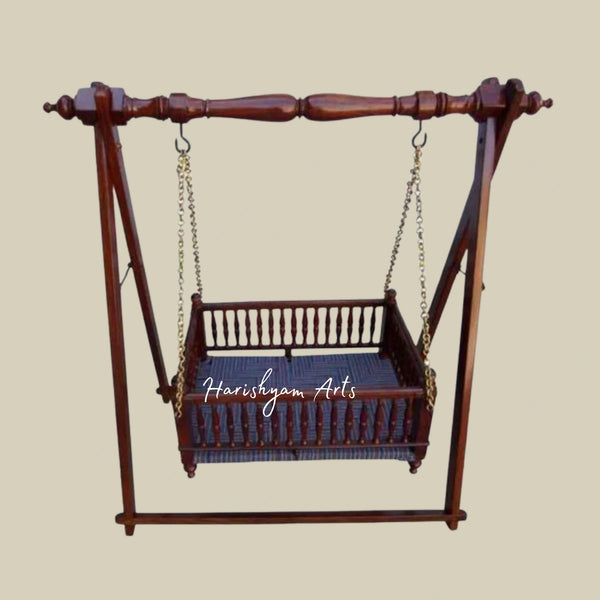
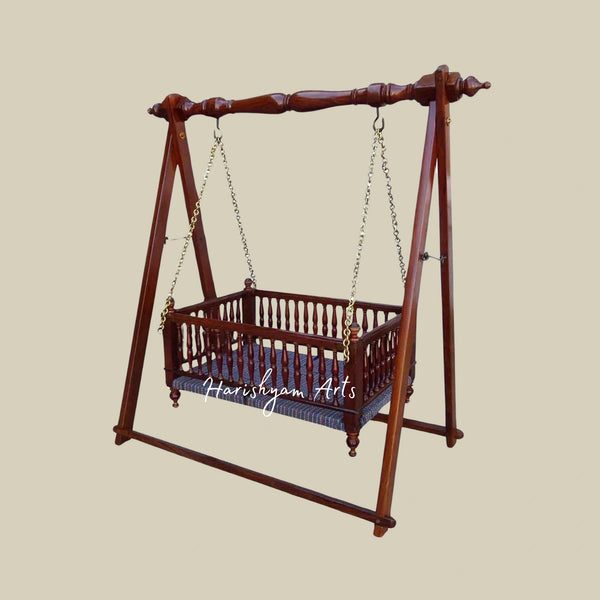
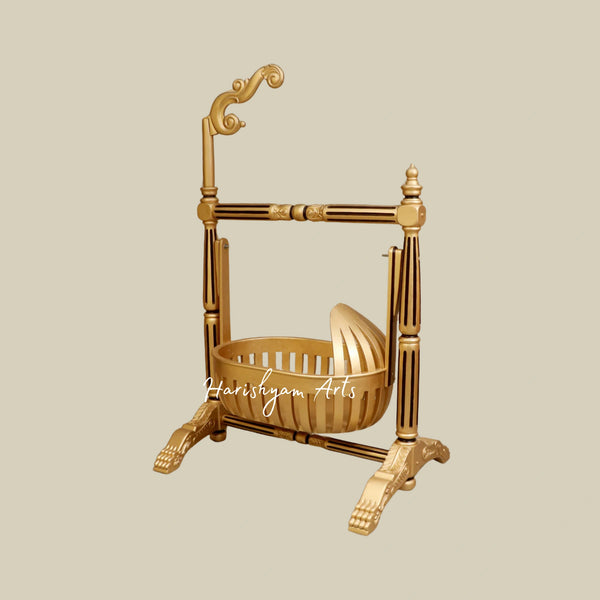
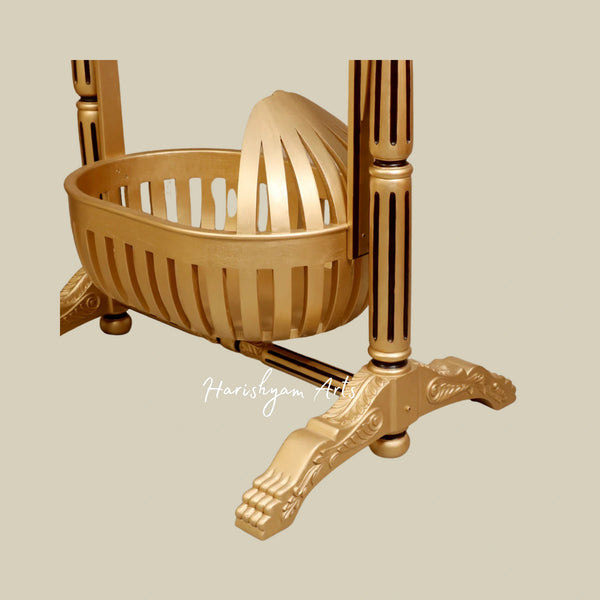
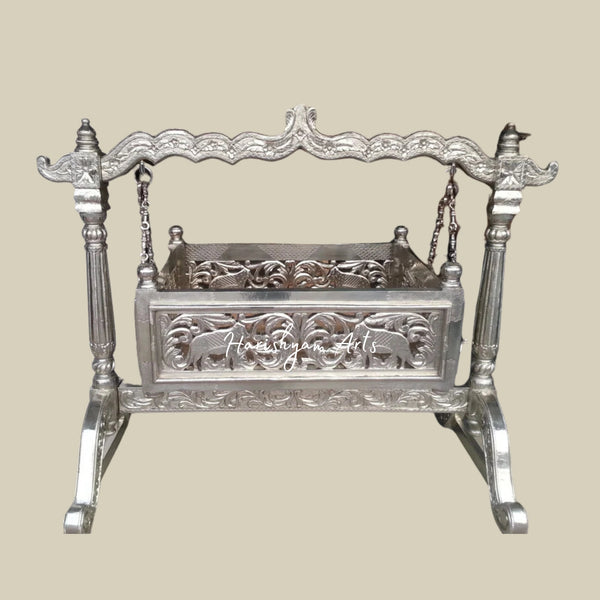
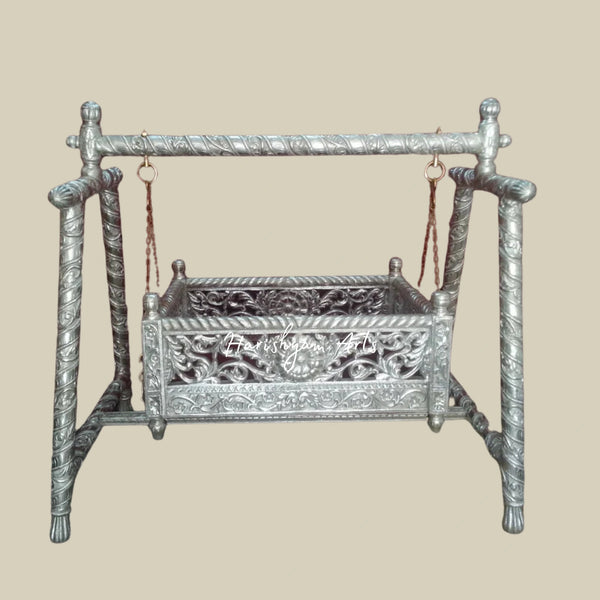
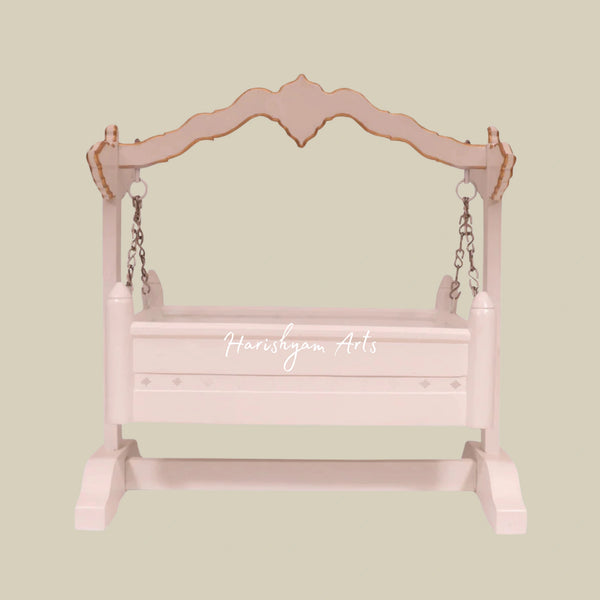
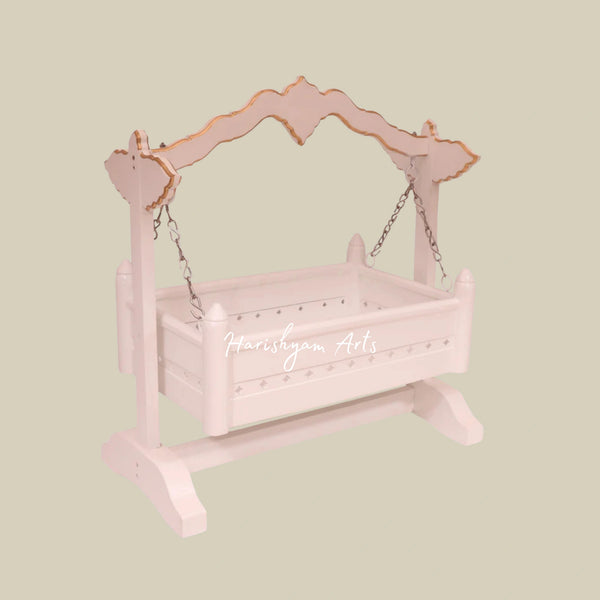


Create a warm, welcoming nursery with the collection of baby cribs by Harishyam Arts, designed for families who appreciate timeless furniture, natural materials, and thoughtful craftsmanship. A baby crib is an essential part of a nursery, providing a dedicated sleeping space for your little one while complementing the overall room décor. Whether you are looking for a classic wooden baby crib, a modern crib for a contemporary nursery, or an elegant wooden cot that coordinates with other nursery furniture, choosing the right design can help create a comfortable and organised environment. With their natural wood textures and versatile styling, wooden cribs can complement traditional homes, modern apartments, and thoughtfully designed nurseries.
Explore Elegant Baby Cribs for Every Nursery Style
A well-designed baby crib combines practical functionality with a timeless appearance. Wooden baby cribs can suit a variety of interior styles, including minimalist, contemporary, traditional, rustic, and classic nursery décor. Natural wood tones create a warm and inviting atmosphere, while simple silhouettes complement modern interiors. For families who prefer a more traditional look, classic wooden cribs can coordinate beautifully with matching dressers, wardrobes, and other nursery furniture. When selecting a crib, appearance should always be considered alongside the product's construction, safety features, and suitability for the baby's age and stage of development.
Types of Wooden Baby Cribs and Nursery Furniture
Baby cribs are available in different designs to accommodate various nursery layouts and family preferences. A traditional wooden baby crib offers a timeless appearance, while a modern baby crib features clean lines and understated detailing. A convertible crib is designed to transition into another furniture configuration when the product specifications and manufacturer's instructions permit, offering flexibility as a child grows. Compact crib designs may suit smaller nurseries, while larger models can coordinate with spacious nursery layouts. Wooden baby cots are also available in a range of finishes and styles, allowing parents to create a cohesive look with their existing furniture. Regardless of the style, the crib must meet applicable safety requirements and be appropriate for the intended age and use.
Wood Choices and Finishes for Baby Cribs
The choice of material influences the appearance, durability, and maintenance requirements of a wooden baby crib. Teak wood is appreciated for its strength, natural grain, and durability. Sheesham wood is valued for its distinctive grain patterns and rich colour variations, while mango wood offers warm tones and an individual natural texture. Beech and other suitable hardwoods are also commonly used in nursery furniture because of their woodworking characteristics and potential for smooth, refined surfaces. The suitability of any wood depends on the crib's engineering, construction, intended use, and compliance with applicable safety standards. Finishes should be appropriate for children's furniture and meet relevant requirements for chemical safety, durability, and surface quality. Material selection and decorative appeal should never take priority over verified crib safety.
Safety, Stability, and Thoughtful Crib Design
Safety is the most important consideration when choosing a baby crib. A suitable crib should have a stable structure, securely fitted components, an appropriately designed mattress support, and spacing between slats that complies with the relevant safety standard. The mattress should fit snugly according to the manufacturer's specifications, without dangerous gaps around the edges. Parents should follow the product instructions and applicable safety guidance when assembling and using the crib. Avoid placing pillows, loose blankets, soft toys, bumpers, or other soft objects in the crib during infant sleep, as these can increase the risk of suffocation. Babies should be placed on their backs on a firm, flat sleep surface designed for the crib. Always verify the product's safety certifications, age and weight limits, assembly requirements, and suitability for your intended use before purchasing.
Baby Cribs for Homes and Nursery Interiors
Wooden baby cribs can complement a variety of nursery environments, from dedicated baby rooms to carefully planned shared bedrooms. In a nursery, a crib can be coordinated with a changing table, storage cabinet, wardrobe, and other essential furniture to create an organised layout. Natural wood finishes can introduce warmth, while neutral colours and simple designs can complement a wide range of nursery themes. For smaller rooms, choosing a suitably sized crib and arranging surrounding furniture thoughtfully can help maintain convenient access and clear pathways. A well-planned nursery should also provide enough space for safe access to the crib and should be free from nearby cords, hanging decorations, and other potential hazards.
Baby Crib Sizes and Custom Furniture Options
Choosing the right crib size depends on the nursery layout, the intended mattress dimensions, and the manufacturer's specifications. Standard-size and compact crib designs may be available depending on the collection, but mattress compatibility and overall dimensions should always be confirmed before purchase. Harishyam Arts can discuss custom nursery furniture requirements where available, including preferred wood types, finishes, colours, and complementary furniture designs. However, any custom baby crib must be professionally engineered and tested to meet the applicable safety standards. Changes to mattress dimensions, slat spacing, rail height, hardware, or structural components should never be made solely for decorative reasons. For infant sleep furniture, verified safety and compliance must remain the primary requirements.
Craftsmanship and Quality Considerations at Harishyam Arts
At Harishyam Arts, careful material selection and attention to furniture detailing contribute to the appeal of wooden furniture. Creating a baby crib requires more than attractive woodworking; it also demands precise construction, reliable hardware, stable assembly, and careful surface finishing. Important manufacturing considerations include preparing the wood, shaping components accurately, smoothing surfaces, assembling structural joints, and inspecting the finished product. Any crib offered for infant use should also undergo the testing and compliance checks required by the relevant market. Surface finishes, coatings, paints, and adhesives must be appropriate for the intended application. Customers should confirm the safety documentation, applicable certifications, assembly instructions, and manufacturer information for any baby crib before making a purchase.
How to Choose the Right Baby Crib
When choosing a baby crib, begin by checking the applicable safety standards, product certification, mattress compatibility, and manufacturer's recommended age and weight limits. Consider the available nursery space and ensure that the crib can be positioned away from windows, curtain cords, heaters, and other potential hazards. Look for a stable structure, smooth surfaces, secure hardware, and clear assembly instructions. The finish and style can then be selected to complement your nursery furniture and décor. If you are considering a convertible crib or a custom design, verify that the product has been designed and tested for each intended configuration. A beautiful crib should always provide a safe, practical sleeping environment first.
Baby Cribs for Baby Showers and Special Occasions
A baby crib can be a meaningful contribution to a growing family's nursery, making it a popular consideration for baby showers, welcoming a newborn, and preparing a new home for a baby. Because a crib is an essential infant sleep product, it should be selected with the parents' needs, nursery dimensions, safety requirements, and long-term usability in mind. Coordinating the crib with other nursery furniture can create a thoughtful and harmonious interior. If purchasing a crib as a gift, confirm the family's preferred design, mattress requirements, delivery arrangements, and product safety documentation before making a decision.
Caring for Your Wooden Baby Crib
Regular inspection and appropriate care help maintain the condition of a wooden crib. Follow the manufacturer's cleaning instructions and use only cleaning products suitable for the surface finish. Check that fasteners, joints, mattress supports, and other components remain secure, and stop using the crib if any part becomes damaged, loose, or broken. Avoid applying unapproved paints, coatings, adhesives, or decorative accessories that could affect the product's safety. Keep the crib free from loose bedding, toys, and other objects during infant sleep, and follow the manufacturer's instructions as the baby grows. Always discontinue use when the child reaches the crib's specified developmental, height, or weight limits.
Explore Baby Cribs and Nursery Furniture at Harishyam Arts
Explore the baby crib collection at Harishyam Arts to discover nursery furniture ideas that combine natural materials, timeless styling, and thoughtful design. Whether you prefer a classic wooden baby crib, a contemporary nursery centrepiece, or furniture that coordinates with an existing bedroom theme, consider the dimensions, materials, finish, and safety documentation before choosing a product. A well-planned nursery brings together practical furniture, comfortable surroundings, and a safe sleeping environment for your little one. With careful attention to design and quality, Harishyam Arts aims to help families create welcoming spaces for life's earliest milestones.


