
Harishyam Arts Blog
Habur Stone Benefits – Uses, Medicinal Value, Astrological Uses, and More
By Lakshay Sharma | On 24 May, 2025 | Views
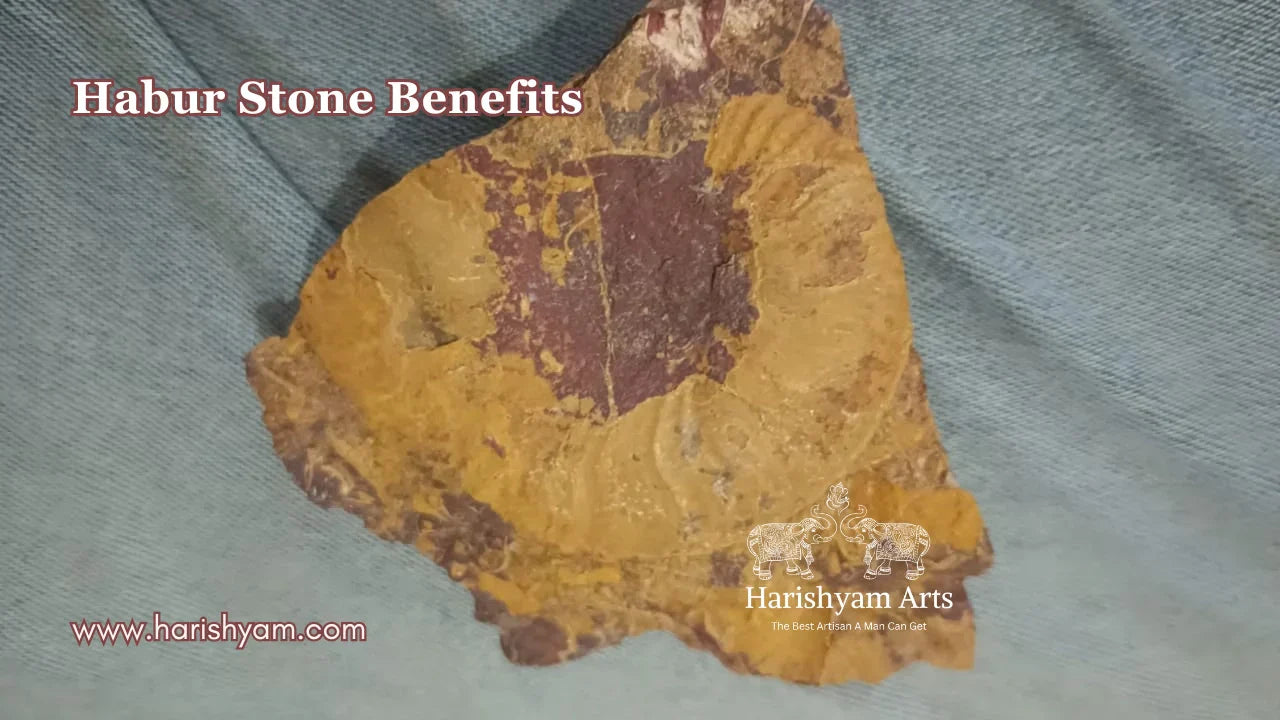
Habur Stone, also known as Habur Fossil Stone, is a naturally occurring fossil-rich limestone found in the desert region of Rajasthan, especially in Jaisalmer. With its ancient origins dating back millions of years, this fossil-rich sedimentary stone is not only used in architecture and interior design but also believed to carry multiple health, spiritual, and metaphysical benefits.
Habur Stone is a naturally occurring fossil stone, revered for its unique composition and healing energy. Known for its earthy texture and cooling properties, this stone has been used for centuries in traditional Indian households for its medicinal and spiritual significance. With a growing interest in holistic wellness and natural healing, Habur Stone benefits are being rediscovered and embraced by people around the world.
From enhancing skin health to balancing energy in the body, the benefits of Habur Stone span across physical, emotional, and spiritual well-being. It is now commonly shaped into pyramids, utensils, bowls, and glasses, each offering its own set of advantages.
This blog will take a closer look at the wide-ranging uses and advantages of Habur Stone — including its role in Ayurveda, astrology, vastu, skincare, and everyday living. Whether you’re a wellness enthusiast or simply curious about natural alternatives, Habur Stone may offer just the kind of healing energy you’re looking for.
Historical and Cultural Significance of Habur Stone
The legacy of Habur Stone stretches back centuries, deeply rooted in the cultural and spiritual traditions of ancient India and surrounding regions. Often referred to as a healing fossil stone, Habur Stone was commonly used in Ayurvedic rituals, temple practices, and folk remedies due to its grounding and cooling properties. In ancient Indian households, it was carved into sacred bowls, plates, and pyramids and placed in kitchens and prayer rooms for both health and spiritual protection.
Historically, this traditional healing stone was believed to absorb negative energies and enhance positive vibrations. It was especially popular in the Himalayan belt and rural Rajasthan, where sages and healers would use it for detoxification rituals and spiritual alignment. Many ancient texts and oral traditions describe its role in balancing doshas and purifying the aura during meditation or religious ceremonies.
Across various spiritual practices, Habur Stone uses in astrology and Vastu Shastra were also significant. It was used to neutralize planetary effects and bring peace to homes affected by energy imbalances. In some Arabic and Eastern healing cultures, fossil stones like Habur were revered for their mineral-rich structure, believed to bring harmony to the body, mind, and soul.
Whether in the form of a sacred utensil or a pyramid placed on altars, the spiritual stone uses of Habur Stone have always symbolized purity, healing, and energetic protection. Its place in ancient customs reflects its enduring reputation as a powerful natural tool for holistic wellness and spiritual enrichment.
Habur Stone Medicinal Benefits
Habur Stone is highly regarded for its natural healing capabilities and therapeutic value. Known as a fossil-based healing stone, it is often used in traditional wellness practices, especially in Ayurveda, to address a wide range of health concerns. Its mineral-rich composition and cooling energy offer powerful support for physical and energetic balance.
1. Natural Pain Relief and Muscle Relaxation
One of the most well-known habur stone medicinal benefits is its ability to relieve pain and relax muscles. When gently heated and applied to affected areas, it acts as a natural pain relief stone by soothing joint stiffness, sore muscles, and arthritis-related discomfort. It is also used in warm massage therapies for chronic pain and fatigue.
2. Helps Regulate Body Temperature and Inflammation
Habur Stone is known to have cooling stone properties, which help regulate internal body temperature. It is especially effective in reducing inflammation, swelling, and heat imbalances in the body, making it useful during fever, seasonal allergies, and pitta-related conditions in Ayurveda.
3. Detoxification and Energy Cleansing
This ancient Ayurvedic healing stone is believed to absorb negative energies and toxins from the body when placed near or used as a water container. It supports detoxification by improving internal cleansing mechanisms, helping the body eliminate impurities naturally. Many holistic practitioners recommend it as a stone for detoxification due to its grounding energy.
4. Beneficial for Bone Health and Arthritis
Used since ancient times, Habur Stone supports healthy bones and joint mobility. Its natural calcium content (in fossil form) is thought to boost bone strength, and its anti-inflammatory effects can ease the symptoms of arthritis and age-related bone issues.
5. Potential Use in Diabetes Management
Some Ayurvedic experts and traditional healers suggest that drinking water stored in a Habur fossil stone glass may help regulate blood sugar levels. This belief stems from the stone’s mineral composition, which may naturally balance the body’s metabolism. While not a medical cure, it is used as a supplementary remedy in holistic diabetes care, especially to maintain hydration and promote better digestion—two key concerns in diabetes management.
6. Mental Wellness and Stress Reduction
In addition to physical healing, habur stone healing properties include mental clarity and emotional balance. Its grounding energy helps reduce stress, calm the nervous system, and promote a peaceful state of mind—making it beneficial for those dealing with anxiety, sleep disturbances, or mental fatigue.
Habur Stone Benefits for Skin
Habur Stone is not just a healing stone for internal wellness—it also offers remarkable benefits for skin health. Traditionally used in holistic beauty rituals, this natural fossil stone is known for its soothing, anti-inflammatory, and detoxifying effects on the skin.
1. Enhances Blood Circulation
One of the primary Habur stone benefits for skin is its ability to improve blood circulation. When used in face rollers or massage tools, it stimulates facial muscles, encourages lymphatic drainage, and delivers oxygen to the skin. This results in a visibly brighter, healthier, and more radiant complexion.
2. Soothes Acne and Inflammation
Due to its natural cooling properties, Habur Stone is effective in calming irritated skin. It may help reduce acne, redness, and puffiness by drawing out heat and toxins. Many Ayurvedic practitioners recommend it as a cooling stone for acne-prone skin, especially during hot weather or hormonal breakouts.
3. Natural Glow and Detoxification
Habur Stone is often ground into a fine powder and mixed with herbal ingredients to make skin scrubs or face packs. These natural stone skincare remedies gently exfoliate the skin, remove dead cells, and cleanse pores, leaving your skin soft, smooth, and glowing.
4. Tightens and Rejuvenates the Skin
With regular use, Habur Stone helps in firming the skin and reducing the appearance of fine lines. As a natural stone for glowing skin, it revitalizes dull skin, improves elasticity, and promotes a youthful look without harsh chemicals.
5. Used in Traditional Face Massage Tools
For centuries, women have used Habur stone face rollers or massage stones to perform gentle upward strokes on the face and neck. This traditional beauty technique not only relaxes facial tension but also improves skin tone and supports a firm, lifted appearance.
Habur Stone Pyramid Benefits
Habur Stone pyramids are widely used for their spiritual and energy-balancing properties. These pyramids combine the ancient wisdom of pyramid geometry with the natural healing power of fossilized Habur stone, making them a powerful tool in Vastu, meditation, and energy work.
1. Enhances Positive Energy in the Home
A Habur stone vastu pyramid is often placed in homes, offices, and meditation rooms to enhance the flow of positive vibrations. Its pyramid shape amplifies energy, while the stone itself neutralizes negativity. This makes it ideal for maintaining peace, harmony, and well-being in your space.
2. Balances Chakras and Spiritual Energy
Due to its grounding and calming nature, the Habur fossil pyramid is believed to help align the chakras and improve the flow of pranic energy in the body. It is especially useful during meditation, where it supports deep focus, emotional clarity, and spiritual growth.
3. Absorbs Negative Energy
Habur stone is naturally known for its detoxifying and cleansing properties. When crafted into a pyramid, it becomes an energy purifier that draws out negative or stagnant energies from its surroundings, purifying the aura and creating a more uplifting environment.
4. Boosts Concentration and Mental Focus
Many people place Habur stone pyramids on study desks or workstations to improve concentration and reduce mental fatigue. The structure of the pyramid helps direct energy upward, encouraging sharper thinking, better memory, and improved creativity.
5. Ideal for Meditation and Relaxation
Used by spiritual seekers and energy healers, this spiritual healing pyramid is an excellent aid for meditation. When placed near the meditation seat or altar, it promotes calmness, grounding, and inner peace, helping you connect with higher states of awareness.
6. Effective in Vastu and Feng Shui Corrections
In both Vastu Shastra and Feng Shui, pyramids are known to correct energy imbalances. A Habur stone vastu pyramid is especially helpful in spaces with Vastu defects, such as irregular architecture or disturbed energy flow. It’s commonly placed in the northeast or center of the home for maximum benefit.
Habur Stone Benefits in Astrology
Habur Stone holds a special place in astrological and spiritual traditions for its ability to absorb negative energies and balance planetary influences. Many astrologers recommend it as a natural remedy for individuals facing challenges due to malefic planets or doshas in their birth chart.
1. Balances Rahu-Ketu and Planetary Imbalances
One of the most notable astrological benefits of Habur Stone is its role in neutralizing the malefic effects of Rahu and Ketu—two shadow planets often linked with karmic obstacles, confusion, and delays. Wearing or placing this stone is believed to stabilize energy and reduce the intensity of such astrological doshas.
2. Promotes Peace and Mental Stability
In astrology, emotional imbalance and restlessness are often connected to planetary misalignment. Habur Stone’s natural cooling and grounding energy helps calm the mind, reduce anxiety, and bring mental clarity—making it ideal for those dealing with Saturn, Moon, or Mercury-related challenges.
3. Enhances Spiritual Awareness
Considered a powerful spiritual stone remedy, Habur Stone supports meditation, prayer, and inner reflection. It is often kept in puja rooms or worn as a talisman to boost intuitive abilities and encourage spiritual growth.
4. Used in Kundli Dosh Remedies
Astrologers often suggest placing a Habur stone vastu pyramid or bowl in homes to neutralize kundli doshas, such as Pitru Dosh, Graha Dosh, or Vastu Dosh. Its presence is said to harmonize energy, uplift the environment, and reduce obstacles in career, health, and relationships.
5. Attracts Positive Vibrations
The fossil energy present in the Habur Stone makes it a strong energy stabilizer. It is believed to absorb negative frequencies from surroundings and replace them with calming, balanced vibrations—enhancing the overall aura and promoting positivity.
Habur Stone Utensils Benefits
Habur Stone utensils have been treasured for centuries in traditional Indian households for their natural healing properties and eco-friendly nature. Crafted from fossil-rich Habur stone, these utensils are not only durable and beautiful but also bring a host of health and wellness benefits when used in daily life.
1. Habur Stone Bowl – Ideal for Curd Making and More
The Habur Stone bowl is a popular choice for making curd (yogurt) naturally at home. The stone’s porous structure maintains a cool and consistent temperature, creating the perfect environment for bacterial cultures to flourish. This results in curd that is rich, creamy, and packed with probiotics.
Beyond curd, Habur stone bowls are excellent for mixing dough, soaking grains, and serving salads. The stone’s natural minerals gently infuse into the food, enhancing taste and nutritional value. Moreover, the bowl’s cooling effect helps preserve the freshness of the contents for longer durations.
2. Habur Stone Bottle – Pure and Natural Hydration
Using a Habur Stone bottle for storing water is gaining popularity due to its natural filtration and mineralization benefits. Water stored in these bottles acquires trace minerals from the fossil stone, which can improve hydration and detoxify the body. The bottle keeps water naturally cool without refrigeration, making it ideal for hot climates.
3. Habur Stone Glass – Benefits of Drinking from Habur Stone Glass
Drinking water from a Habur Stone glass is considered highly beneficial for health. The stone’s unique mineral composition can help balance the body's pH, improve digestion, and boost metabolism. Many users report enhanced energy levels and reduced acidity when regularly drinking from Habur stone glasses.
Additionally, the benefits of drinking Habur Stone water include improved detoxification, better immune function, and natural alkalinity, which helps neutralize free radicals. The glass also imparts a subtle earthy flavor to water, encouraging regular hydration.
4. Habur Stone Pot – Ideal for Storage and Cooling
The Habur Stone pot is widely used for storing water, curd, pickles, and other perishables. Its natural cooling ability helps preserve the freshness and quality of the contents for longer durations. The pot also protects stored items from external heat and maintains a stable, cool environment naturally.
5. Other Habur Stone Utensils
Other utensils like serving plates, small containers, and water dispensers made from Habur stone also carry the same benefits of natural mineral infusion, cooling, and detoxifying properties. These utensils promote healthier consumption habits while adding a touch of tradition to everyday life.
Why Choose Habur Stone Utensils?
- Natural Mineral Infusion: Habur stone gradually releases essential minerals such as calcium and magnesium into water and stored food, improving their nutritional value.
- Cooling and Preserving: Naturally keeps contents cool and fresh without the need for electricity or refrigeration.
- Health and Wellness: Supports digestion, detoxification, and overall body balance through mineral-rich contact.
- Eco-Friendly and Durable: Made from natural fossil stone, these utensils are long-lasting and environmentally safe.
- Chemical-Free: Unlike plastic or metal containers, Habur stone utensils do not leach harmful chemicals.
Conclusion: Benefits of Habur Stone
Habur Stone, also known as fossil stone, is a unique natural resource prized for its wide-ranging benefits. Its rich mineral content and fossilized energy offer numerous medicinal, spiritual, and practical advantages.
Habur fossil stone benefits include promoting mental calmness, balancing energies, supporting skin health, and aiding in detoxification. It is widely used in astrology for neutralizing negative planetary influences and enhancing spiritual growth.
Beyond spiritual and medicinal uses, habur stone uses extend to everyday life through beautifully crafted utensils like bowls, bottles, glasses, and pots. These utensils naturally cool and purify water and food, infuse essential minerals, and contribute to overall wellness. Habur stone pyramids and décor items further help balance home energy and promote positivity.
Incorporating Habur Stone into your lifestyle not only connects you to ancient wisdom but also supports holistic health, making it a valuable addition for those seeking natural healing, spiritual balance, and sustainable living.
FAQs – Habur Stone Jaisalmer Benefits
Q1: What is Original Habur Stone and where can I buy Habur Stone online?
Ans: Original Habur Stone is a natural fossil-rich stone sourced directly from Jaisalmer, Rajasthan, known for its unique mineral content and ancient fossil formations. At Harishyam Arts, we offer authentic Habur Stone products crafted with care, ensuring you receive genuine quality. You can conveniently buy original Habur Stone items online through our official store with assured authenticity.
Q2: Are there any side effects of using Habur Stone?
Ans: Habur Stone is natural and generally safe for medicinal, spiritual, and utensil use. There are no known side effects when used properly. However, it is always advisable to purchase genuine products and consult experts if you use it for health or astrological purposes.
Q3: How can I buy Habur Stone and related products online from Harishyam Arts?
Ans: You can easily buy Habur Stone utensils, bowls, bottles, pyramids, and more from Harishyam Arts’ official online store. We provide detailed product descriptions, secure payment options, and reliable shipping worldwide to deliver authentic Jaisalmer Habur Stone products to your doorstep.
Q4: Can I get Habur Stone Utensils (Habur Pathar ke Bartan) delivered outside India?
Ans: Yes, Harishyam Arts offers international shipping for authentic Habur Stone utensils, including bowls, glasses, pots, and bottles. We deliver worldwide to major countries such as the USA, UK, Canada, Australia, Dubai, Mauritius, and Singapore, ensuring you can enjoy the natural benefits of Habur Stone no matter where you are.
Q5: What are the benefits of Habur Stone Pyramids?
Ans: Habur Stone Pyramids are used for energy balancing and spiritual healing. They help absorb negative energies, harmonize the environment, and support meditation and mental calmness through the stone’s natural vibrational properties.
Q6: Does Harishyam Arts accept bulk orders for Habur Stone products?
Ans: Yes, Harishyam Arts welcomes bulk orders for Habur Stone products, including utensils, pyramids, and decorative items. Whether you need items for corporate gifting, events, or retail purposes, we offer special pricing and customized solutions for large quantity orders. Please contact us directly at +91-9782397360 for more details and personalized support

Lakshay Sharma
I’m Lakshay Sharma, a writer with a deep passion for Hindu mythology, Vastu Shastra, and home interiors. I enjoy exploring the rich traditions of Hindu gods and goddesses, sharing insights into Vastu principles, and offering guidance on creating sacred spaces like Puja Mandirs. Through my writing, I aim to inspire harmony and spiritual well-being, blending traditional knowledge with modern perspectives.
Harishyam Arts | Jaipur
Related Blogs

Smoke, Oil, and Incense: A 5-Year Maintenance Guide for Keeping Corian Mandirs Pristine White
Lakshay Sharma | October 08, 2026
A Corian mandir brings a clean, contemporary look to a home prayer space. Its ...
Read More...
Alkaline Water & Natural Minerals: The Wellness Benefits of Storing Water in Habur Stone
Lakshay Sharma | October 08, 2026
Water storage has been an important part of Indian household traditions for ce...
Read More...
Wall-Mounted Wooden Reliefs & Panels: Creating Dramatic Focal Walls
Lakshay Sharma | October 08, 2026
A well-designed wall can completely change the character of a room. While pain...
Read More...
Sacred Lighting Schemes: Layering Ambient, Accent, and Focal Light in Your Pooja Corner
Lakshay Sharma | October 08, 2026
A pooja corner is more than a designated space for prayer. It is a peaceful pa...
Read More...
Sagwan (Teak) vs. Sheesham vs. Mango Wood: Which Timber Belongs in Your Sacred Mandir?
Lakshay Sharma | October 07, 2026
A sacred mandir is more than a piece of furniture. It is a dedicated space for...
Read More...
Panchdhatu vs. Brass: Understanding Sacred Metal Alloys for Home Temples
Lakshay Sharma | October 06, 2026
Choosing a sacred metal idol for a home temple involves more than selecting a ...
Read More...
Combining Warm Teakwood and Pure White Corian for the Ultimate Dual-Tone Mandir
Lakshay Sharma | October 05, 2026
A home mandir is a deeply meaningful space where spirituality, tradition, and ...
Read More...
Solid Brass vs. Resin Replicas: How to Spot Genuine Sand-Cast Metal Handicrafts
Lakshay Sharma | October 04, 2026
Traditional Indian handicrafts are admired for their craftsmanship, heritage, ...
Read More...
Engineering & Weight Safety: How to Safely Install a Ceiling-Hung Wooden Jhula
Lakshay Sharma | October 04, 2026
A ceiling-hung wooden jhula, or traditional indoor swing, can become a beautif...
Read More...
The Chemistry of Shine: Safe Ways to Clean Brass Idols Without Damaging Their Antique Patina
Lakshay Sharma | October 03, 2026
Brass idols have a distinctive beauty that comes from their warm golden tones,...
Read More...
Marble Care Through the Seasons: How to Protect Idols During Abhishekam and Festivals
Lakshay Sharma | October 01, 2026
Marble idols are admired for their purity, elegance, and timeless beauty. Whet...
Read More...
The Beauty of Brass Chains: Choosing Antique Brass Figures and Heavy-Duty Links for Wooden Jhula
Lakshay Sharma | October 01, 2026
A traditional wooden jhula is more than a piece of furniture. It is a beautifu...
Read More...
The Ergonomics of Prayer: Designing Mandirs for Sitting vs. Standing Worship
Lakshay Sharma | September 30, 2026
A home mandir is more than a decorative corner. It is a dedicated space for pr...
Read More...
Light and Shadow: How Architectural Lighting Transforms Marble Idols
Lakshay Sharma | September 28, 2026
Marble idols have a timeless beauty that comes from their material, craftsmans...
Read More...
Coffee Table Artifacts: Transforming Minimalist Living Rooms with Handcrafted Showpieces
Lakshay Sharma | September 26, 2026
Minimalist living rooms are celebrated for their clean lines, uncluttered spac...
Read More...
The Open-Concept Mandir: Using Marble Jali Screens to Create Sacred Boundaries Without Walls
Lakshay Sharma | September 25, 2026
Modern homes increasingly favor open floor plans, spacious interiors, and flex...
Read More...
Pietra Dura in the Temple: The Timeless Art of Inlaying Semi-Precious Stones into Marble Mandir Walls
Lakshay Sharma | September 24, 2026
A beautifully crafted marble mandir is more than a place of worship. It can al...
Read More...
Fire Safety and Smoke Management in Indoor Home Temples
Lakshay Sharma | September 22, 2026
A home temple, or puja mandir, is a peaceful and spi...
Read More...
The Royal Living Room: How to Style a Grand Hand-Carved Sofa Set with Antique Finishes
Lakshay Sharma | September 22, 2026
A living room is more than just a place to sit. It is often the heart of a hom...
Read More...
Kadam Wood vs. Sandalwood vs. Teak: Choosing the Right Timber for Carved Statues
Lakshay Sharma | September 20, 2026
Wooden statues have a timeless beauty. From traditional Indian deities to deco...
Read More...
Water, Chaas, and Lassi: How Habur Stone Vessels Naturally Cool and Mineralize Drinks
Lakshay Sharma | September 18, 2026
In Rajasthan, where summers can be intense and temperatures can rise dramatica...
Read More...
Hallway, Living Room, or Bedroom? Finding the Right Spot for Your Mandir When You Don't Have a Dedicated Pooja Room
Lakshay Sharma | September 16, 2026
Hallway, Living Room, or Bedroom? Finding the Right Spot for Your Mandir Read More...

Myth vs. Reality: Debunking Common Taboos and Rules During Pitru Paksha
Lakshay Sharma | September 14, 2026
Pitru Paksha is one of the most meaningful periods in the Hindu calendar, trad...
Read More...
What is Sarva Pitru Amavasya (Mahalaya)? Significance for Forgotten Ancestors
Lakshay Sharma | September 14, 2026
Sarva Pitru Amavasya, also known as Mahalaya Amavasy...
Read More...
Step-by-Step Guide to Performing Tarpan, Pind Daan, and Anna Daan at Home
Lakshay Sharma | September 14, 2026
In Hindu tradition, remembering and honoring our ancestors is considered an im...
Read More...
Beyond Rituals: The True Scientific and Spiritual Significance of Honoring Ancestors
Lakshay Sharma | September 14, 2026
In many Indian households, remembering and honoring ancestors is a deeply root...
Read More...
Understanding Pitru Paksha 2026: Complete Shradh Tithi Calendar and Key Dates
Lakshay Sharma | September 14, 2026
Pitru Paksha is one of the most important periods in the Hindu calendar for re...
Read More...
Black Bheslana vs. White Makrana: Choosing the Right Marble for Your Deity & Vastu
Lakshay Sharma | September 14, 2026
Choosing the right marble for a deity statue is more than a matter of colour a...
Read More...
The Statement Foyer: How to Style Entryway Consoles with Brass, Marble, and Wooden Handicrafts
Lakshay Sharma | September 12, 2026
The foyer is the first glimpse guests receive of your home. It creates an imme...
Read More...
Long Weekend Planner: Maximizing Holidays Around Diwali 2026
Lakshay Sharma | September 11, 2026
Diwali is one of the most awaited festivals in India—a time of lights, celebra...
Read More...
Preparing Your Home for Diwali 2026: Deep Cleaning and Vastu Tips
Lakshay Sharma | September 11, 2026
Diwali is more than just a festival of lights. It is a time to welcome happine...
Read More...
Bhai Dooj 2026: Auspicious Timings, Tilak Muhurat & Gift Ideas
Lakshay Sharma | September 11, 2026
Bhai Dooj is one of the most beautiful Hindu festivals celebrating the special...
Read More...
Govardhan Puja and Annakut 2026: Traditions, Date, and Recipe Ideas
Lakshay Sharma | September 11, 2026
Govardhan Puja is one of the most beautiful festivals celebrated during the Di...
Read More...
Choti Diwali & Naraka Chaturdashi 2026: History, Abhyang Snan & Significance
Lakshay Sharma | September 11, 2026
Diwali is one of the most auspicious and widely celebrated festivals in India. The festival of...
Read More...
Dhanteras 2026 Shopping Guide: What to Buy (and Avoid) for Good Luck
Lakshay Sharma | September 11, 2026
Dhanteras is one of the most auspicious days of the Diwali festival and is tra...
Read More...
Complete Step-by-Step Lakshmi-Ganesha Puja Vidhi for Diwali 2026
Lakshay Sharma | September 11, 2026
Diwali is one of the most auspicious and joyous festivals celebrated across In...
Read More...
Lakshmi Puja Muhurat 2026: City-Wise Timings and Auspicious Windows
Lakshay Sharma | September 11, 2026
Diwali is one of the most celebrated festivals in India, symbolizing the victo...
Read More...
The 5-Day Diwali Festival 2026: Day-by-Day Significance and Rituals
Lakshay Sharma | September 11, 2026
Diwali, also known as the Festival of Lights, is one...
Read More...
Diwali 2026 Complete Date Guide: Calendar, Tithis & Festival Schedule
Lakshay Sharma | September 11, 2026
Diwali 2026: Complete Date and Festival Guide
...
Read More...
Navratri Havan at Home: Essential Samagri List, Vidhi, and Clean-Up Tips
Lakshay Sharma | September 10, 2026
Navratri is one of the most auspicious Hindu festivals dedicated to the worshi...
Read More...
Kanya Pujan Guide: Significance, Prasad Menu Ideas, and Traditional Setup
Lakshay Sharma | September 10, 2026
Kanya Pujan is one of the most cherished traditions observed during

Bold Interior Trends: Styling Dark Wood, Charcoal Accents, and Luminous Metals
Lakshay Sharma | September 10, 2026
Interior design is moving beyond light, neutral palettes and predictable décor...
Read More...
Investment Pieces for Your Home: Why Hand-Carved Wooden Mandirs & Stone Sculptures Last Generations
Lakshay Sharma | September 10, 2026
A beautiful home is more than just a collection of furniture and décor. The mo...
Read More...
DIY Navratri Decorations: Creative Craft Ideas to Involve Kids and Family
Lakshay Sharma | September 10, 2026
Navratri is a festival of devotion, celebration, creativity, and togetherness....
Read More...
Festive Color Palettes: Warm Earthy Tones and Golden Accents to Transform Your Living Room
Lakshay Sharma | September 10, 2026
Festivals are the perfect time to refresh your home and create a warm, welcomi...
Read More...
Pooja Room Lighting Ideas: How to Use Backlighting, Brass Lamps, and Diyas for Festive Ambiance
Lakshay Sharma | September 10, 2026
The pooja room is one of the most peaceful and sacred spaces in an Indian home...
Read More...
Minimalist Pooja Room Designs: How to Create a Serene Meditation Space
Lakshay Sharma | September 10, 2026
A pooja room is more than just a dedicated corner for prayer. It is a place wh...
Read More...
How to Setup Ghatasthapana at Home: Step-by-Step Kalash Sthapana Vidhi & Decor Ideas
Lakshay Sharma | September 10, 2026
Ghatasthapana, also known as Kalash Sthapana, is one...
Read More...
Matte, PU, or Traditional Polish: Choosing the Right Protective Finish for Teak Mandirs
Lakshay Sharma | September 10, 2026
A beautifully handcrafted teak wood mandir is more than a place of worship. It...
Read More...
Aaj Ka Panchang 31 October 2026: Tithi, Nakshatra, Rahu Kaal, Shubh Muhurat & Choghadiya
Lakshay Sharma | September 09, 2026
Aaj Ka Panchang — Saturday, 31 October 2026
Welc...
Read More...


