
Harishyam Arts Blog
8 Guidelines for Setting Up Your Home Mandir with Wooden Murtis: Location, Selection, and Maintenance.
By Lakshay Sharma | On 30 October, 2026 | Views

Introduction: The Divine Mother of Strength and Compassion
Maa Parvati, the consort of Lord Shiva, is the embodiment of divine love, strength, and purity. Revered as the Universal Mother, she nurtures creation and guides devotees toward spiritual awakening. Each of her 108 names reflects a unique quality—compassion as Annapurna, courage as Durga, and serenity as Uma. Chanting these names connects the soul to her divine energy, bringing peace, prosperity, and protection. Understanding their meanings deepens devotion and enhances spiritual harmony. Through this sacred journey of 108 names, devotees experience the boundless grace and transformative power of Maa Parvati.
1. Choosing the Right Space for Your Mandir
Selecting the right location for your home mandir creates a serene spiritual environment. According to Vastu, the northeast corner or Ishaan Kona is ideal for divine energy flow. Choose a quiet, clean, and elevated spot that encourages peace during prayers. Avoid placing your mandir near bathrooms, kitchens, or under staircases. Ensure it gets natural light or soft illumination to keep the space vibrant and pure. A well-placed mandir with wooden murtis enhances devotion and positivity, turning your home into a sanctuary of calmness and spiritual harmony.
2. Selecting the Perfect Wooden Murti
Choosing the right wooden murti is essential to reflect both devotion and artistry. Opt for idols made from premium woods like teak, rosewood, or sandalwood, known for durability and fragrance. Each murti should have fine craftsmanship, balanced proportions, and expressive detailing that captures divine grace. The size should complement your mandir, neither too large nor too small. Always ensure the wood surface is smooth and polished to preserve its elegance. A well-crafted wooden murti not only beautifies your temple but also strengthens the spiritual connection between you and the deity.
3. Aligning with Vastu Principles
Vastu Shastra offers essential guidelines for harmonizing your mandir’s energy. Place your temple in the northeast direction, ensuring you face east or north during prayer. Deities should face the worshipper, never the south direction, as it is considered inauspicious. Avoid keeping damaged, cracked, or multiple idols of the same deity. Maintain cleanliness around the mandir to promote peace and positivity. Following these simple Vastu principles while setting up wooden murtis ensures a balanced and sacred environment where divine energy flows smoothly throughout your home, blessing it with prosperity and tranquility.
4. Designing Your Mandir Layout
A thoughtfully designed layout enhances the spiritual and visual appeal of your home mandir. Arrange deities in a hierarchical manner—place the main deity at the center and smaller idols on either side. Include drawers or shelves for storing incense sticks, diyas, and prayer items neatly. Choose wooden backdrops or carvings that complement your murtis’ texture and color. Soft, warm lighting behind the idols can highlight their features beautifully. A well-organized layout not only looks elegant but also keeps the temple clutter-free, ensuring a calm and focused atmosphere during your daily prayers.
5. Lighting and Ambience
Lighting plays a powerful role in setting the mood of your mandir. Use warm yellow or soft white lights to create a soothing glow around your wooden idols. Traditional diyas or oil lamps add a sacred aura, while subtle LED lighting enhances beauty without overpowering it. Fragrant incense sticks or natural essential oils can further elevate the spiritual vibe. Avoid harsh lights or flickering bulbs that disturb the peaceful atmosphere. The right combination of light and scent brings life to your wooden murtis and fills your home with divine positivity and grace.
6. Daily Care and Maintenance
Proper care keeps your wooden murtis shining with divine beauty for years. Gently clean the idols using a dry, soft cloth to remove dust. Avoid water or chemical-based cleaners as they can damage the wood. Occasionally, polish the idols with natural oils like coconut or neem to preserve shine and prevent cracks. Keep your mandir space organized and free of cobwebs. Regular maintenance of wooden murtis not only maintains aesthetic appeal but also enhances spiritual purity. A well-kept wooden mandir radiates calmness and devotion, making your daily prayer rituals more peaceful and fulfilling.
7. Seasonal and Festival Decoration
Festival decorations give your mandir a fresh and festive charm. Adorn your wooden murtis with flowers, garlands, and silk fabrics that match the occasion. Use natural and eco-friendly décor materials to maintain the sanctity of the space. Brass diyas, bells, and colorful rangolis can further enhance the spiritual atmosphere. During major festivals like Diwali or Navratri, change the décor to reflect joy and reverence. Keep decorations minimal to highlight the elegance of your wooden idols. Each celebration becomes more meaningful when your mandir radiates warmth, beauty, and spiritual energy.
8. Personalizing Your Divine Space
Your home mandir should reflect your devotion and personal taste. Add sacred scriptures, framed mantras, or photos of your gurus to make the space meaningful. Customize the wooden mandir with carvings, brass inlays, or small drawers for offerings. You can also incorporate soft music or bells for an immersive experience. Choose décor elements that resonate with your faith and family traditions. A personalized mandir transforms into a divine corner filled with love, peace, and spiritual energy—perfect for meditation and prayer, connecting your heart directly to the divine presence.
FAQs
Q1. Which direction is best for placing a home mandir?
Ans: The northeast corner (Ishaan Kona) is the most auspicious direction according to Vastu. It attracts positive energy and divine blessings. Always face east or north while praying, ensuring the deities face the worshipper. Avoid placing your mandir near bathrooms or directly below staircases for spiritual harmony.
Q2. Why should I choose wooden murtis for my home mandir?
Ans: Wooden murtis offer natural warmth, elegance, and eco-friendly appeal. They are lightweight, easy to maintain, and come in intricate handcrafted designs. Woods like teak, rosewood, and sandalwood also carry a pleasant aroma, enhancing spiritual ambiance. Their earthy charm makes them ideal for a peaceful, traditional home temple setup.
Q3. How do I clean and maintain wooden idols?
Ans: Clean wooden idols using a dry, soft cloth to remove dust. Avoid using water or chemical cleaners. Occasionally polish with natural oils like coconut or neem to maintain shine and prevent cracks. Keep the mandir area clean, ensuring your wooden murtis retain their divine glow and longevity.
Q4. Can I decorate my wooden mandir for festivals?
Ans: Yes, decorating your mandir for festivals enhances spiritual energy and celebration. Use flowers, diyas, silk fabrics, and eco-friendly décor. Adorn wooden idols with garlands or ornaments during special occasions. Ensure decorations are simple and respectful, allowing the natural beauty of the wood and idols to shine through.
Q5. Does Harishyam Arts offer customized wooden mandirs or idols?
Ans: Absolutely! Harishyam Arts specializes in crafting customized wooden mandirs and idols tailored to your space and preferences. From design and size to carvings and finishes, each piece is handmade with devotion and precision—perfectly blending art, tradition, and spirituality for your home’s sacred corner.
Conclusion
Setting up a home mandir with wooden murtis combines beauty, tradition, and devotion. By following these eight guidelines, you create a sacred space filled with divine vibrations and timeless elegance. From proper placement and design to regular maintenance and personalization, each detail contributes to the purity of your worship.
At Harishyam Arts, we specialize in crafting exquisite wooden murtis and temples that bring spirituality and artistry together. Elevate your home’s energy and invite peace, devotion, and prosperity into your life through our handcrafted wooden masterpieces.

Lakshay Sharma
I’m Lakshay Sharma, a writer with a deep passion for Hindu mythology, Vastu Shastra, and home interiors. I enjoy exploring the rich traditions of Hindu gods and goddesses, sharing insights into Vastu principles, and offering guidance on creating sacred spaces like Puja Mandirs. Through my writing, I aim to inspire harmony and spiritual well-being, blending traditional knowledge with modern perspectives.
Harishyam Arts | Jaipur
Related Blogs

What is Corian Mandir? Material, Benefits, and Perfect Fit for Your Home
Lakshay Sharma | October 30, 2026
A Corian Mandir is a modern-day solution for those seeking a blend of tradition and contempora...
Read More...
Which Direction Should a Mandir in Home Face? Exploring Vastu Guidelines
Lakshay Sharma | October 30, 2026
Read More...

Makrana White vs. Ambaji vs. Vietnam Marble: Which Stone Truly Belongs in Your Home Mandir?
Lakshay Sharma | October 30, 2026
A home mandir is not just a place for daily prayers; it is a sacred corner tha...
Read More...
Where to Buy Pooja Mandir for Home in USA?
Lakshay Sharma | October 30, 2026
A pooja mandir is more than just a piece of furniture. It is a sacred space th...
Read More...
How to Customize a Pooja Mandir Design Based on Your Home Interior Style
Lakshay Sharma | October 30, 2026
In today's homes, the pooja mandir isn't just a sacred space—it's a stunning f...
Read More...
Why Jaipur is Famous for Marble Moorti Manufacturing
Lakshay Sharma | October 30, 2026
Jaipur, the vibrant Pink City of Rajasthan, isn't just a tourist hotspot—it's ...
Read More...
Wall-Mounted vs Floor-Standing Mandirs
Lakshay Sharma | October 30, 2026
A home temple is more than just a piece of furniture—it is a sacred space wher...
Read More...
When to buy a new mandir for home?
Lakshay Sharma | October 30, 2026
The home mandir is more than decor—it's a spiritual anchor in Indian household...
Read More...
Is it ok to buy a second-hand temple for the home?
Lakshay Sharma | October 30, 2026
In Indian culture, a home temple (mandir) is much mo...
Read More...
Top Marble Moorti Manufacturers in Jaipur and How to Choose the Right One
Lakshay Sharma | October 30, 2026
Jaipur, the royal Pink City of India, has long been ...
Read More...
Where to Buy Custom Home Temples in Rajasthan: Designs, Prices and Options
Lakshay Sharma | October 30, 2026
A home temple, also called a mandir or pooja ghar, is often the spiritual hear...
Read More...
How to Choose the Ideal Pooja Mandir for Your Home: Material, Size, and Style
Lakshay Sharma | October 30, 2026
A pooja mandir is the sacred heart of every Indian home, where spirituality me...
Read More...
8 Guidelines for Setting Up Your Home Mandir with Wooden Murtis: Location, Selection, and Maintenance.
Lakshay Sharma | October 30, 2026
Introduction: The Divine Mother of Strength and Compassion

How long do Corian temples last?
Lakshay Sharma | October 30, 2026
Choosing the right material for a temple at home is important for both aesthet...
Read More...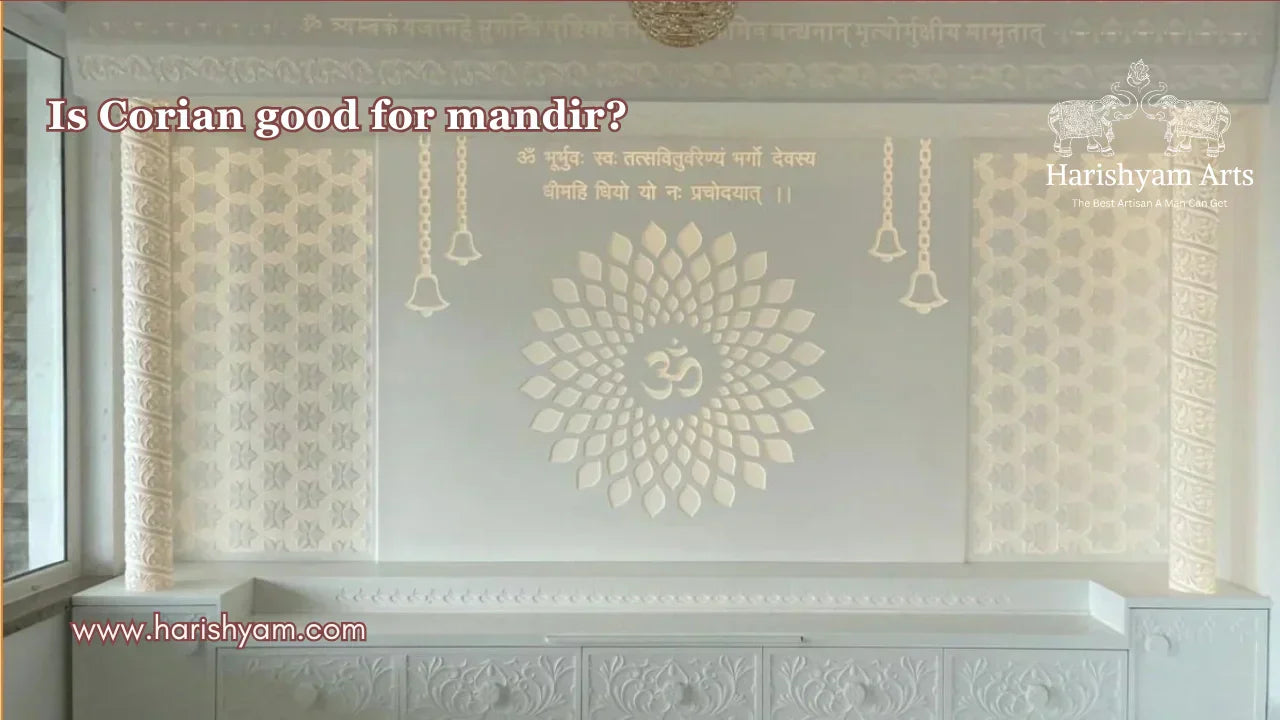
Is Corian Good for Mandir? A Complete Guide
Lakshay Sharma | October 30, 2026
When it comes to designing a home mandir, choosing t...
Read More...
South Indian vs. North Indian Temple Styles: Carving Traditions in Teak Wood
Lakshay Sharma | October 30, 2026
Indian temple architecture is a beautiful expression of devotion, craftsmanshi...
Read More...


