
Harishyam Arts Blog
How to Worship Tirupati Balaji Idol at Home – Step-by-Step Rituals & Guidelines
By Lakshay Sharma | On 29 May, 2025 | Views
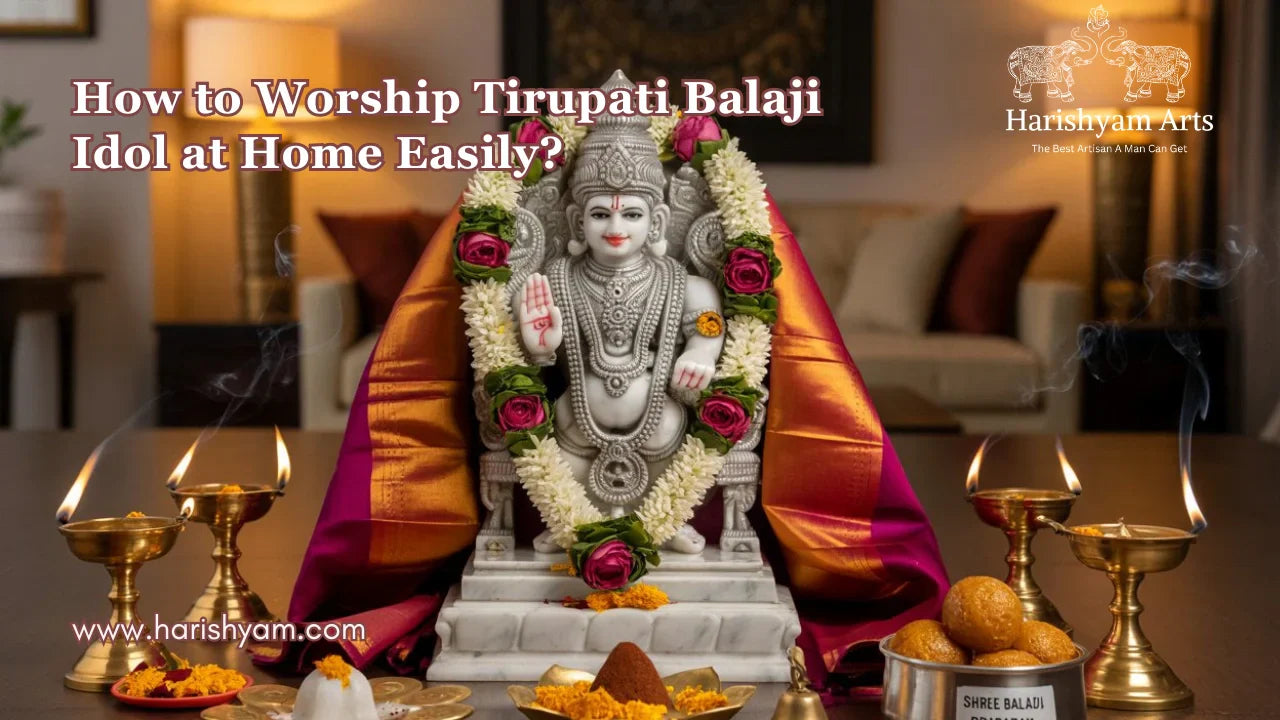
Worshipping Lord Venkateswara, also known as Tirupati Balaji, at home is a sacred practice that holds deep spiritual meaning for millions of devotees across the world. Known as the Lord of Wealth and Protection, Balaji is believed to be a powerful form of Lord Vishnu who blesses his devotees with prosperity, peace, and fulfillment of wishes.
Keeping a Tirupati Balaji idol in your home temple symbolizes divine presence and devotion. It brings a sense of spiritual discipline to daily life and creates a positive, calming energy in the house. Many Hindu families believe that installing a Balaji murti at home invites the blessings of Lord Venkateswara, who removes obstacles, grants good fortune, and offers protection from negative influences.
Performing regular Balaji puja at home promotes mental clarity, inner peace, and spiritual growth. Whether it’s a simple daily prayer or an elaborate ritual on Saturdays or festival days, worshipping the Lord with sincerity strengthens your connection with the divine. The consistent practice of chanting mantras, offering flowers, lighting diyas, and reciting aarti helps create a devotional atmosphere that uplifts the entire household.
In this blog, we’ll explore How to do Venkateswara pooja at home?, including daily puja vidhi, placement tips, mantras, and dos and don'ts to help you perform Balaji puja with devotion and correctness.
Daily Puja Vidhi for Worshipping Tirupati Balaji Idol at Home
Performing daily puja (worship) to Lord Venkateswara at home brings divine energy, peace, and blessings into your life. Whether it's a simple morning prayer or an evening aarti, regular worship helps devotees stay spiritually connected with Tirupati Balaji. Here's a step-by-step guide to performing daily puja at home:
Morning and Evening Rituals
Morning Puja Vidhi:
-
Clean the Puja Room and take a bath before beginning.
-
Light a ghee lamp (deepam) and incense sticks.
-
Offer fresh flowers and Tulsi leaves to the idol.
-
Apply chandan (sandalwood paste) or kumkum on the idol’s forehead.
-
Chant Balaji mantras or Vishnu Sahasranamam for at least 5–10 minutes.
-
Offer naivedyam (prasad) – it can be fruits, milk, or sweets like jaggery or curd rice.
-
Perform aarti using a camphor or ghee diya in a circular motion in front of the idol.
Evening Puja Vidhi:
-
Light another lamp and offer flowers or Tulsi (if available).
-
Recite simple evening mantras or sing Balaji bhajans.
-
Perform a short aarti before sunset.
-
Sit for a few minutes in meditation, focusing on the Lord.
Even if you're short on time, lighting a lamp and chanting a mantra with devotion is enough to maintain your spiritual connection.
Essential Puja Items
To perform daily Tirupati Balaji puja at home, keep the following items ready:
-
Ghee or oil lamp (deepam)
-
Incense sticks or dhoop
-
Fresh flowers (yellow or red are preferred)
-
Tulsi leaves (considered sacred for Lord Vishnu)
-
Chandan (sandalwood paste) or Kumkum
-
Small bell
-
Kalash with water
-
Naivedyam (fruits, sweets, or simple food)
-
Aarti thali with camphor or ghee diya
These basic items help maintain the sanctity and tradition of daily worship.
Simple Daily Aarti and Mantras for Balaji
You can chant any of the following powerful mantras and aartis during your daily puja:
Mantras to Recite:
-
Om Namo Venkatesaya
-
Om Namo Narayanaya
-
Sri Venkateswara Suprabhatam (especially in the morning)
-
Vishnu Sahasranamam (optional, for extended worship)
Aarti to Sing:
Jai Jai Venkatesha Swami, Jai Jai Venkatesha
Govinda Govinda Balaji, Govinda Govinda
Tirupati Balaji Maharaj Ki Jai
By performing daily puja to Lord Venkateswara, even in a simple form, you invite peace, prosperity, and protection into your home. Consistency and devotion matter more than the length or complexity of rituals. Worship with a pure heart, and the grace of Tirupati Balaji will surely shine upon you.
Step-by-Step Guide to Perform Special Tirupati Balaji Puja at Home
Apart from daily puja, performing a special Tirupati Balaji puja on auspicious days like Fridays, Saturdays, or Ekadashi brings immense spiritual and material blessings. This section explains the traditional process of performing special Balaji puja at home, including fasting rituals, prasadam preparation, and the power of sacred chants.
Tirupati Balaji Friday Puja Process
Friday is considered one of the most auspicious days to worship Lord Venkateswara, especially by devotees who seek his divine grace for prosperity and removal of karmic obstacles.
Step-by-Step Friday Puja Vidhi:
-
Wake up early, clean the home and mandir area, and take a bath.
-
Dress the idol of Tirupati Balaji in fresh vastra (cloth) if possible.
-
Decorate the idol with flowers, Tulsi leaves, and ornaments.
-
Light a ghee lamp and dhoop sticks in front of the Balaji idol.
-
Fill a Kalash (copper vessel) with water and place mango leaves on top with a coconut.
-
Offer naivedyam like Tirupati laddu, curd rice, or jaggery-based sweets.
-
Chant 108 names of Lord Venkateswara (Ashtottara Shatanamavali) or Sri Venkateswara Suprabhatam.
-
Perform aarti and ring the bell gently while chanting Govinda! Govinda!
-
Distribute the prasad to all family members and meditate for a few moments in front of the idol.
This form of worship is deeply beneficial in bringing success in career, health, relationships, and spiritual progress.
Fasting and Prasadam Preparation
Many devotees observe a partial or complete fast on Fridays or Saturdays as a form of devotion and spiritual discipline. You can follow a Satvik diet, consuming only fruits, milk, or a single meal after the puja.
Common Tirupati Balaji Prasadam includes:
-
Tirupati-style Laddu made with besan, ghee, sugar, and dry fruits
-
Curd rice (daddojanam), often offered in temples
-
Sweet pongal, jaggery rice, or simple banana offerings
-
Tulsi leaves added to any prasad enhances its purity
Always offer prasadam with a clean heart and utmost devotion, avoiding onion, garlic, and non-veg during the day.
Significance of Chanting ‘Om Namo Venkatesaya’
The sacred mantra “Om Namo Venkatesaya” is one of the most powerful and spiritually elevating chants dedicated to Lord Venkateswara.
Benefits of Chanting this Mantra:
-
Invokes the blessings of Lord Vishnu in his most benevolent form
-
Removes obstacles, delays, and fears
-
Increases inner peace, devotion, and mental clarity
-
Builds a spiritual connection and attracts divine protection
You can chant this mantra 108 times using a tulsi mala during your special puja or as part of your daily practice. Even listening to this chant creates a peaceful vibration in the house.
Performing a special Tirupati Balaji puja at home with fasting, chanting, and heartfelt devotion can elevate your spiritual journey and attract the divine grace of the Lord. Whether done weekly or on special occasions, this puja strengthens your bond with Sri Venkateswara Swamy and fills your home with positivity and divine energy.
Do’s and Don’ts of Keeping and Worshipping Balaji Idol
Worshipping Lord Venkateswara or Tirupati Balaji at home requires discipline, cleanliness, and adherence to certain traditional practices. By following the correct guidelines, devotees ensure that their worship is both spiritually effective and respectful to the deity. Here are important do’s and don’ts to follow when keeping and worshipping a Balaji idol at home:
✅ Do’s
-
Maintain Cleanliness in the Puja Area
-
Clean the altar and surrounding area daily before starting the puja.
-
The devotee should bathe and wear clean clothes before approaching the idol.
-
Keep the idol dust-free and offer fresh flowers and Tulsi leaves daily.
-
Offer the Right Items to Lord Venkateswara
-
Use Tulsi leaves, yellow or red flowers, sandalwood paste, and cow’s ghee lamp in worship.
-
Prasadam like Tirupati Laddu, curd rice, sweet pongal, or banana is highly recommended.
-
Offer water or milk in a copper vessel, and perform aarti with devotion.
-
Follow Proper Vastu Guidelines for Placement
-
Place the Balaji idol facing East or West, ideally in the northeast corner of your home.
-
The devotee should face East while worshipping.
-
Always place the idol on a clean pedestal or wooden chowki, not directly on the floor.
-
Regular Worship and Chanting
-
Daily puja, even if simple, strengthens the spiritual connection.
-
Chant “Om Namo Venkatesaya” or the Vishnu Sahasranamam regularly.
❌ Don’ts
-
Don’t Keep Damaged or Broken Idols
-
A cracked or chipped Tirupati Balaji idol should not be worshipped. If broken, perform visarjan (immersion) respectfully or donate it.
-
Avoid Placing the Idol in Improper Places
-
Do not keep the idol in bedrooms, kitchens, or near bathrooms.
-
Avoid placing the idol in a cluttered area or where feet may touch the sacred space.
-
Don’t Use Forbidden Items in Puja
-
Avoid offering non-vegetarian food, onion, garlic, or stale flowers.
-
Alcohol and tobacco should never be kept near the puja space.
-
Don’t Ignore Idol Size Guidelines
-
For homes, keep a medium-sized idol (6 to 24 inches) to ensure proper daily worship.
-
Very large idols are recommended only for temples, where full-scale rituals are possible.
-
Don’t Perform Puja with a Distracted Mind
-
Approach Balaji puja with full focus, calmness, and respect. Avoid rushing through rituals or treating it as a formality.
By following these essential do’s and don’ts of worshipping Balaji idol at home, devotees can maintain sanctity, attract divine blessings, and deepen their spiritual connection with Lord Venkateswara Swamy. Worship done with purity and faith brings peace, prosperity, and protection to the entire household.
Significance of Saturdays and Tirupati Balaji Vratham
Saturdays hold a special place in the hearts of Lord Venkateswara's devotees, as it is believed that sincere prayers offered on this day are directly heard by the Lord. Performing Tirupati Balaji Vratham with devotion on Saturdays can lead to spiritual growth, removal of karmic debts, and fulfillment of wishes.
Importance of Saturdays for Balaji Devotees
-
Saturday is associated with Shani (Saturn), and Lord Venkateswara is believed to have pacified Shani Dev’s energies. Hence, worshipping Balaji on Saturdays helps overcome Shani Dosh, delays, obstacles, and sufferings.
-
Devotees flock to Tirumala Temple on Saturdays, and the same energy can be invoked at home through dedicated worship.
-
Observing Vrat (fast) and special pujas on this day is considered highly auspicious and spiritually rewarding.
How to Observe Venkateswara Vratham at Home
Tirupati Balaji Vratham, also known as Sri Venkateswara Vratham, is a sacred vow performed to receive Lord Balaji’s blessings for health, peace, and prosperity.
Steps to Perform the Vratham:
-
Wake up early, bathe, and clean the puja space.
-
Place a photo or idol of Lord Venkateswara on a clean altar, decorated with Tulsi leaves, flowers, and sandalwood paste.
-
Light a ghee diya and incense.
-
Offer banana, jaggery-based sweets, laddu, or pongal as naivedyam.
-
Recite the Sri Venkateswara Ashtothram or Suprabhatam.
-
Chant the mantra “Om Namo Venkatesaya” 108 times.
-
Perform aarti and distribute the prasad among family members.
-
Observe a Satvik fast if possible – fruits, milk, and light food after the puja.
-
Offer donations or help the needy to complete the vratham with punya (merit).
You may also follow the Sri Venkateswara Swamy Vratha Katha (narrative) during the vratham, which highlights the significance of the ritual and divine blessings received by devotees.
Balaji Mantras and Aarti to Recite at Home
Reciting sacred mantras and aarti during daily worship of the Tirupati Balaji idol at home fills the space with divine vibrations. It not only pleases Lord Venkateswara but also brings mental peace, protection, and prosperity. Here’s a guide to the most powerful mantras and aartis you can incorporate into your Balaji puja routine at home.
Most Powerful Balaji Mantras for Daily Recitation
-
Om Namo Venkatesaya Namah
-
This is the most revered Balaji mantra and is simple yet powerful.
-
Reciting it 108 times daily brings blessings, removes obstacles, and invites divine grace.
-
Sri Venkateswara Ashtothram (108 Names)
-
A sacred list of 108 names of Lord Venkateswara praising His glory and virtues.
-
Ideal for Saturday Vratham and daily use, especially during morning and evening puja.
-
Example:
Om Sri Venkatesaya Namah
Om Srinivasaya Namah
Om Govindaya Namah
(Continue till 108 names are complete) -
Vishnu Sahasranamam
-
A powerful hymn of 1000 names of Lord Vishnu, of whom Balaji is an incarnation.
-
Reciting this with devotion purifies the mind and helps overcome challenges in life.
Recommended Aartis for Balaji Worship
-
Sri Venkateswara Swamy Aarti
“Deepam Jyoti Parabrahma
Deepam Sarva Tamopaham
Deepena Sadhyate Sarvam
Sandhya Deepam Namostute” -
Meaning: The lamp is a symbol of the Supreme Brahman. Lighting it removes darkness and brings knowledge and clarity.
-
Govinda Aarti (South Indian Style)
“Govinda Govinda Venkataramana Govinda
Srinivasa Govinda, Sri Venkatesa Govinda” -
A rhythmic and musical chant, often sung in groups after daily puja.
-
The repetition of "Govinda" invokes Balaji's divine presence and grace.
-
Om Jai Jagdish Hare
-
Though traditionally associated with Lord Vishnu, this aarti is also used in Balaji worship.
-
Meaningful and devotional, it's sung with clapping and bell ringing.
Incorporating these Balaji mantras and aartis into your daily worship helps create a spiritual environment at home. Whether you chant them yourself or play recorded versions, the presence of Lord Venkateswara Swamy will be deeply felt, guiding you toward peace, prosperity, and divine protection.
Tips for Festival Celebrations with Tirupati Balaji Idol at Home
Celebrating festivals with the Tirupati Balaji idol at home brings immense joy, spiritual upliftment, and divine blessings to the entire household. Festivals like Vaikunta Ekadashi and Brahmotsavam are especially significant for devotees of Lord Venkateswara. Here are some practical and devotional tips to make these celebrations more meaningful and traditional.
Celebrating Vaikunta Ekadashi & Brahmotsavam at Home
-
Vaikunta Ekadashi:
-
It is one of the most sacred days dedicated to Lord Vishnu.
-
Wake up early and give the Balaji idol a ceremonial bath with milk, water, sandal, and tulsi.
-
Decorate the altar with white and yellow flowers, light a ghee lamp, and chant Vishnu Sahasranamam.
-
Keep a fast or eat only sattvic food, and remain engaged in chanting “Om Namo Venkatesaya Namah” throughout the day.
-
Set up a symbolic “Vaikunta Dwaram” (gateway to heaven) using floral arches or torans around the Balaji idol.
-
Brahmotsavam (Annual Utsav):
-
Recreate the temple vibe at home with grand floral decorations, rangoli, and torans.
-
Each day of Brahmotsavam can be marked with specific pujas, offerings, and readings of Venkateswara Kalyanam stories.
-
Perform Balaji Kalyanam on one of the days to celebrate the divine wedding of the Lord with His consorts.
Decoration Ideas for Tirupati Balaji Idol During Festivals
-
Use fresh marigold, jasmine, or tulsi garlands to adorn the idol.
-
Add Velvet or brocade vastras (clothes) in deep colors like red, maroon, or royal blue.
-
Light multiple ghee diyas in brass stands to create a temple-like ambiance.
-
Decorate the puja room or mandir area with rangoli, fairy lights, and banana leaf backdrops.
-
Use silver or gold-plated ornaments or crowns (mukut) on the idol during grand pujas.
-
Create a miniature “Tirumala style sanctum” setup with a small replica of the gopuram or temple pillars around the idol.
Group Pujas and Bhajans at Home
-
Organize group pujas or bhajan sessions with family and friends during key festivals.
-
Recite collective chants of Govinda Namalu, Balaji Suprabhatam, or Vishnu Sahasranamam.
-
Use musical instruments like tabla, harmonium, or even hand claps to accompany bhajans.
-
Distribute homemade prasadam like Tirupati Laddu, curd rice, or panakam after the puja.
-
Involve children and elders to sing or recite, making the event interactive and devotional.
Celebrating festivals with your Tirupati Balaji idol at home enhances the spiritual atmosphere and keeps the family connected to tradition. Whether it’s through elaborate decorations, soulful bhajans, or simple offerings, every act of devotion brings Lord Venkateswara’s grace into your life.
Conclusion
Worshiping the Tirupati Balaji idol at home is a beautiful and profound path to deepen your devotion and invite peace, prosperity, and divine blessings into your life. The daily rituals, mantras, and festival celebrations create a sacred space where the presence of Lord Venkateswara uplifts your spirit and strengthens your connection with the divine.
To maintain a truly spiritual atmosphere, keep your puja area clean and serene, use fresh flowers and incense, and perform your worship with full sincerity and devotion. Remember, it is not the grandeur but the purity of your heart and faith that makes your prayers powerful and effective.
Embrace the worship of Tirupati Balaji at home with dedication and love, and you will find that it not only nurtures your soul but also brings harmony and blessings to your entire household.
FAQs About Worshipping Tirupati Balaji Idol at Home
Q1. Can we keep a large Tirupati Balaji idol at home?
Ans: Yes, you can keep a large Tirupati Balaji idol at home, but it’s important to ensure you have a clean, dedicated space for it. The idol should face the right direction (usually east or north) and be placed on a stable platform. Avoid overcrowding the area and maintain regular worship to keep the space spiritually positive.
Q2. What is the best time to perform Balaji puja at home?
Ans: The ideal time to perform Balaji puja is early morning, preferably during the Brahma Muhurta (approximately 1.5 hours before sunrise). Evening puja during sunset or after dusk is also considered auspicious. Consistency in timing helps build a strong spiritual routine.
Q3. How do I clean and maintain my Venkateswara idol?
Ans: Clean the idol gently using a soft cloth. If the idol is made of marble or metal, avoid harsh chemicals. Use a mild mixture of water and natural ingredients like turmeric or sandalwood paste for cleaning. Always dry the idol properly before placing it back on the altar, and perform regular puja to keep the sanctity intact.
Q4. Can I keep both Balaji and Padmavati idols at home?
Ans: Yes, keeping both Balaji and Padmavati idols at home is common and spiritually beneficial. Balaji represents Lord Venkateswara, and Padmavati is his divine consort. Together, they symbolize divine harmony and completeness in your home worship.
Q5. What is the powerful mantra for Venkateswara?
Ans: The most powerful mantra for Lord Venkateswara is “Om Namo Venkatesaya Namah”. Regular chanting of this mantra with devotion can bring peace, prosperity, and protection from negative influences.
Q6. Which day is auspicious for Lord Venkateswara?
Ans: Saturday is considered the most auspicious day to worship Lord Venkateswara. Many devotees observe fasts and special pujas on this day to seek his blessings. Fridays and Vaikunta Ekadashi are also highly significant for Balaji devotees.

Lakshay Sharma
I’m Lakshay Sharma, a writer with a deep passion for Hindu mythology, Vastu Shastra, and home interiors. I enjoy exploring the rich traditions of Hindu gods and goddesses, sharing insights into Vastu principles, and offering guidance on creating sacred spaces like Puja Mandirs. Through my writing, I aim to inspire harmony and spiritual well-being, blending traditional knowledge with modern perspectives.
Harishyam Arts | Jaipur
Related Blogs

The Return to Authenticity: Why Handcrafted Artifacts Are Replacing Mass-Produced Corporate Gifts
Lakshay Sharma | October 09, 2026
Corporate gifting has traditionally been associated with practical items, bran...
Read More...
Smoke, Oil, and Incense: A 5-Year Maintenance Guide for Keeping Corian Mandirs Pristine White
Lakshay Sharma | October 08, 2026
A Corian mandir brings a clean, contemporary look to a home prayer space. Its ...
Read More...
Alkaline Water & Natural Minerals: The Wellness Benefits of Storing Water in Habur Stone
Lakshay Sharma | October 08, 2026
Water storage has been an important part of Indian household traditions for ce...
Read More...
Wall-Mounted Wooden Reliefs & Panels: Creating Dramatic Focal Walls
Lakshay Sharma | October 08, 2026
A well-designed wall can completely change the character of a room. While pain...
Read More...
Sacred Lighting Schemes: Layering Ambient, Accent, and Focal Light in Your Pooja Corner
Lakshay Sharma | October 08, 2026
A pooja corner is more than a designated space for prayer. It is a peaceful pa...
Read More...
Sagwan (Teak) vs. Sheesham vs. Mango Wood: Which Timber Belongs in Your Sacred Mandir?
Lakshay Sharma | October 07, 2026
A sacred mandir is more than a piece of furniture. It is a dedicated space for...
Read More...
Panchdhatu vs. Brass: Understanding Sacred Metal Alloys for Home Temples
Lakshay Sharma | October 06, 2026
Choosing a sacred metal idol for a home temple involves more than selecting a ...
Read More...
Combining Warm Teakwood and Pure White Corian for the Ultimate Dual-Tone Mandir
Lakshay Sharma | October 05, 2026
A home mandir is a deeply meaningful space where spirituality, tradition, and ...
Read More...
Solid Brass vs. Resin Replicas: How to Spot Genuine Sand-Cast Metal Handicrafts
Lakshay Sharma | October 04, 2026
Traditional Indian handicrafts are admired for their craftsmanship, heritage, ...
Read More...
Engineering & Weight Safety: How to Safely Install a Ceiling-Hung Wooden Jhula
Lakshay Sharma | October 04, 2026
A ceiling-hung wooden jhula, or traditional indoor swing, can become a beautif...
Read More...
The Chemistry of Shine: Safe Ways to Clean Brass Idols Without Damaging Their Antique Patina
Lakshay Sharma | October 03, 2026
Brass idols have a distinctive beauty that comes from their warm golden tones,...
Read More...
Marble Care Through the Seasons: How to Protect Idols During Abhishekam and Festivals
Lakshay Sharma | October 01, 2026
Marble idols are admired for their purity, elegance, and timeless beauty. Whet...
Read More...
The Beauty of Brass Chains: Choosing Antique Brass Figures and Heavy-Duty Links for Wooden Jhula
Lakshay Sharma | October 01, 2026
A traditional wooden jhula is more than a piece of furniture. It is a beautifu...
Read More...
The Ergonomics of Prayer: Designing Mandirs for Sitting vs. Standing Worship
Lakshay Sharma | September 30, 2026
A home mandir is more than a decorative corner. It is a dedicated space for pr...
Read More...
Light and Shadow: How Architectural Lighting Transforms Marble Idols
Lakshay Sharma | September 28, 2026
Marble idols have a timeless beauty that comes from their material, craftsmans...
Read More...
Coffee Table Artifacts: Transforming Minimalist Living Rooms with Handcrafted Showpieces
Lakshay Sharma | September 26, 2026
Minimalist living rooms are celebrated for their clean lines, uncluttered spac...
Read More...
The Open-Concept Mandir: Using Marble Jali Screens to Create Sacred Boundaries Without Walls
Lakshay Sharma | September 25, 2026
Modern homes increasingly favor open floor plans, spacious interiors, and flex...
Read More...
Pietra Dura in the Temple: The Timeless Art of Inlaying Semi-Precious Stones into Marble Mandir Walls
Lakshay Sharma | September 24, 2026
A beautifully crafted marble mandir is more than a place of worship. It can al...
Read More...
Fire Safety and Smoke Management in Indoor Home Temples
Lakshay Sharma | September 22, 2026
A home temple, or puja mandir, is a peaceful and spi...
Read More...
The Royal Living Room: How to Style a Grand Hand-Carved Sofa Set with Antique Finishes
Lakshay Sharma | September 22, 2026
A living room is more than just a place to sit. It is often the heart of a hom...
Read More...
Kadam Wood vs. Sandalwood vs. Teak: Choosing the Right Timber for Carved Statues
Lakshay Sharma | September 20, 2026
Wooden statues have a timeless beauty. From traditional Indian deities to deco...
Read More...
Water, Chaas, and Lassi: How Habur Stone Vessels Naturally Cool and Mineralize Drinks
Lakshay Sharma | September 18, 2026
In Rajasthan, where summers can be intense and temperatures can rise dramatica...
Read More...
Hallway, Living Room, or Bedroom? Finding the Right Spot for Your Mandir When You Don't Have a Dedicated Pooja Room
Lakshay Sharma | September 16, 2026
Hallway, Living Room, or Bedroom? Finding the Right Spot for Your Mandir Read More...

Myth vs. Reality: Debunking Common Taboos and Rules During Pitru Paksha
Lakshay Sharma | September 14, 2026
Pitru Paksha is one of the most meaningful periods in the Hindu calendar, trad...
Read More...
What is Sarva Pitru Amavasya (Mahalaya)? Significance for Forgotten Ancestors
Lakshay Sharma | September 14, 2026
Sarva Pitru Amavasya, also known as Mahalaya Amavasy...
Read More...
Step-by-Step Guide to Performing Tarpan, Pind Daan, and Anna Daan at Home
Lakshay Sharma | September 14, 2026
In Hindu tradition, remembering and honoring our ancestors is considered an im...
Read More...
Beyond Rituals: The True Scientific and Spiritual Significance of Honoring Ancestors
Lakshay Sharma | September 14, 2026
In many Indian households, remembering and honoring ancestors is a deeply root...
Read More...
Understanding Pitru Paksha 2026: Complete Shradh Tithi Calendar and Key Dates
Lakshay Sharma | September 14, 2026
Pitru Paksha is one of the most important periods in the Hindu calendar for re...
Read More...
Black Bheslana vs. White Makrana: Choosing the Right Marble for Your Deity & Vastu
Lakshay Sharma | September 14, 2026
Choosing the right marble for a deity statue is more than a matter of colour a...
Read More...
The Statement Foyer: How to Style Entryway Consoles with Brass, Marble, and Wooden Handicrafts
Lakshay Sharma | September 12, 2026
The foyer is the first glimpse guests receive of your home. It creates an imme...
Read More...
Long Weekend Planner: Maximizing Holidays Around Diwali 2026
Lakshay Sharma | September 11, 2026
Diwali is one of the most awaited festivals in India—a time of lights, celebra...
Read More...
Preparing Your Home for Diwali 2026: Deep Cleaning and Vastu Tips
Lakshay Sharma | September 11, 2026
Diwali is more than just a festival of lights. It is a time to welcome happine...
Read More...
Bhai Dooj 2026: Auspicious Timings, Tilak Muhurat & Gift Ideas
Lakshay Sharma | September 11, 2026
Bhai Dooj is one of the most beautiful Hindu festivals celebrating the special...
Read More...
Govardhan Puja and Annakut 2026: Traditions, Date, and Recipe Ideas
Lakshay Sharma | September 11, 2026
Govardhan Puja is one of the most beautiful festivals celebrated during the Di...
Read More...
Choti Diwali & Naraka Chaturdashi 2026: History, Abhyang Snan & Significance
Lakshay Sharma | September 11, 2026
Diwali is one of the most auspicious and widely celebrated festivals in India. The festival of...
Read More...
Dhanteras 2026 Shopping Guide: What to Buy (and Avoid) for Good Luck
Lakshay Sharma | September 11, 2026
Dhanteras is one of the most auspicious days of the Diwali festival and is tra...
Read More...
Complete Step-by-Step Lakshmi-Ganesha Puja Vidhi for Diwali 2026
Lakshay Sharma | September 11, 2026
Diwali is one of the most auspicious and joyous festivals celebrated across In...
Read More...
Lakshmi Puja Muhurat 2026: City-Wise Timings and Auspicious Windows
Lakshay Sharma | September 11, 2026
Diwali is one of the most celebrated festivals in India, symbolizing the victo...
Read More...
The 5-Day Diwali Festival 2026: Day-by-Day Significance and Rituals
Lakshay Sharma | September 11, 2026
Diwali, also known as the Festival of Lights, is one...
Read More...
Diwali 2026 Complete Date Guide: Calendar, Tithis & Festival Schedule
Lakshay Sharma | September 11, 2026
Diwali 2026: Complete Date and Festival Guide
...
Read More...
Navratri Havan at Home: Essential Samagri List, Vidhi, and Clean-Up Tips
Lakshay Sharma | September 10, 2026
Navratri is one of the most auspicious Hindu festivals dedicated to the worshi...
Read More...
Kanya Pujan Guide: Significance, Prasad Menu Ideas, and Traditional Setup
Lakshay Sharma | September 10, 2026
Kanya Pujan is one of the most cherished traditions observed during

Bold Interior Trends: Styling Dark Wood, Charcoal Accents, and Luminous Metals
Lakshay Sharma | September 10, 2026
Interior design is moving beyond light, neutral palettes and predictable décor...
Read More...
Investment Pieces for Your Home: Why Hand-Carved Wooden Mandirs & Stone Sculptures Last Generations
Lakshay Sharma | September 10, 2026
A beautiful home is more than just a collection of furniture and décor. The mo...
Read More...
DIY Navratri Decorations: Creative Craft Ideas to Involve Kids and Family
Lakshay Sharma | September 10, 2026
Navratri is a festival of devotion, celebration, creativity, and togetherness....
Read More...
Festive Color Palettes: Warm Earthy Tones and Golden Accents to Transform Your Living Room
Lakshay Sharma | September 10, 2026
Festivals are the perfect time to refresh your home and create a warm, welcomi...
Read More...
Pooja Room Lighting Ideas: How to Use Backlighting, Brass Lamps, and Diyas for Festive Ambiance
Lakshay Sharma | September 10, 2026
The pooja room is one of the most peaceful and sacred spaces in an Indian home...
Read More...
Minimalist Pooja Room Designs: How to Create a Serene Meditation Space
Lakshay Sharma | September 10, 2026
A pooja room is more than just a dedicated corner for prayer. It is a place wh...
Read More...
How to Setup Ghatasthapana at Home: Step-by-Step Kalash Sthapana Vidhi & Decor Ideas
Lakshay Sharma | September 10, 2026
Ghatasthapana, also known as Kalash Sthapana, is one...
Read More...
Matte, PU, or Traditional Polish: Choosing the Right Protective Finish for Teak Mandirs
Lakshay Sharma | September 10, 2026
A beautifully handcrafted teak wood mandir is more than a place of worship. It...
Read More...


